Sandalwood
Santalum
austrocaledonicum.
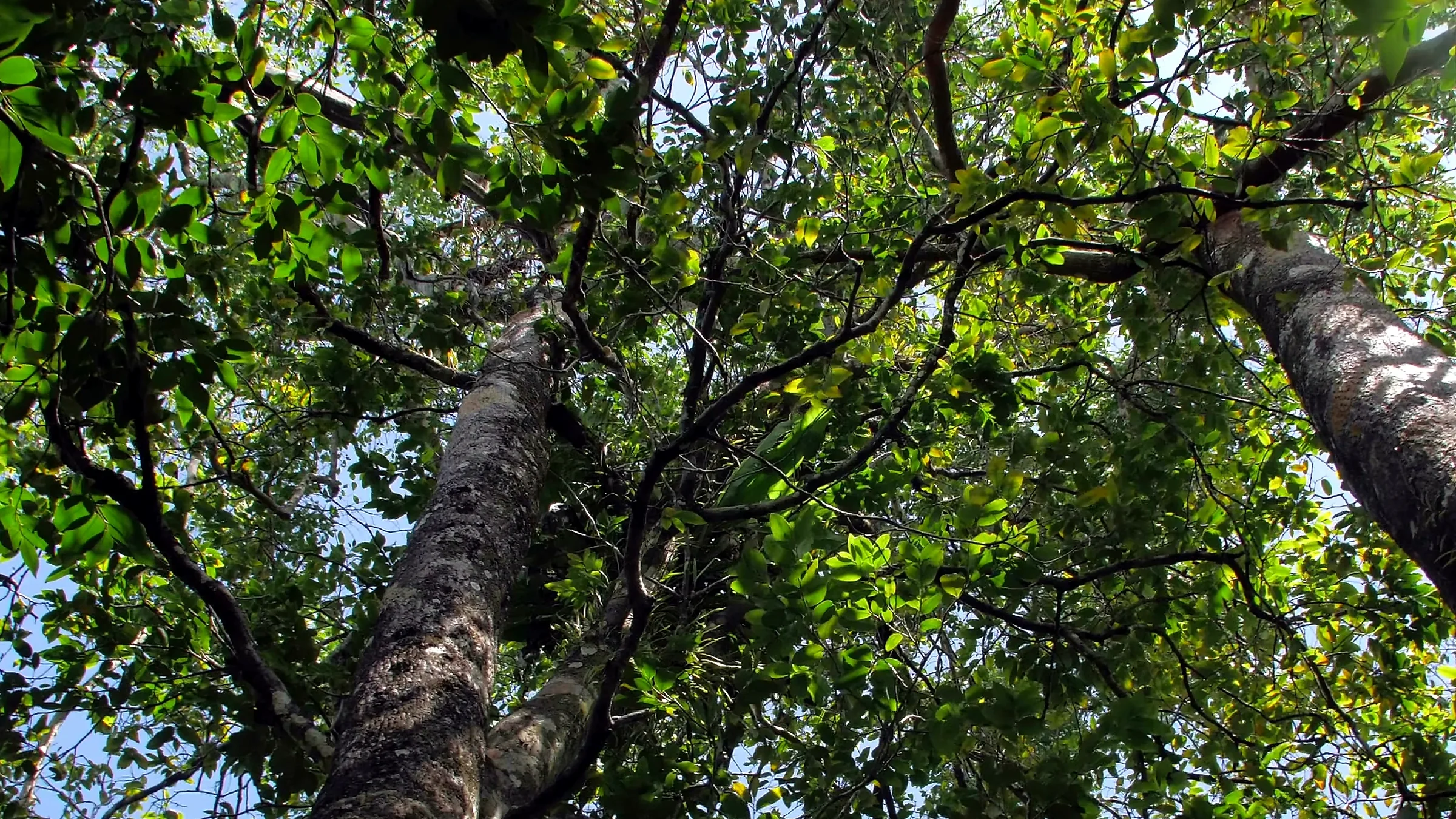
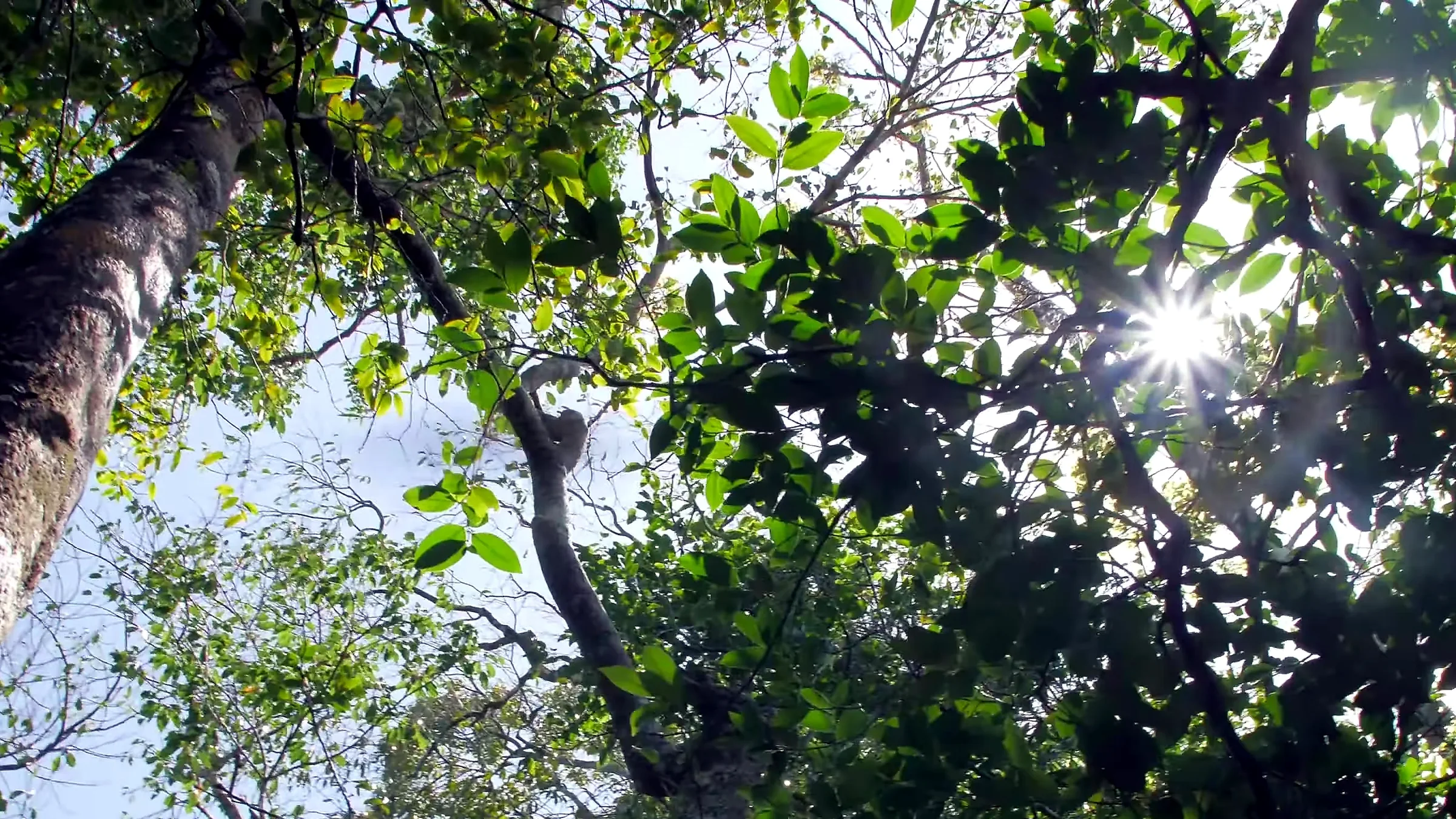
Endemic to New Caledonia and Vanuatu, Caledonian sandalwood is a hemiparasitic species of the dry forest.
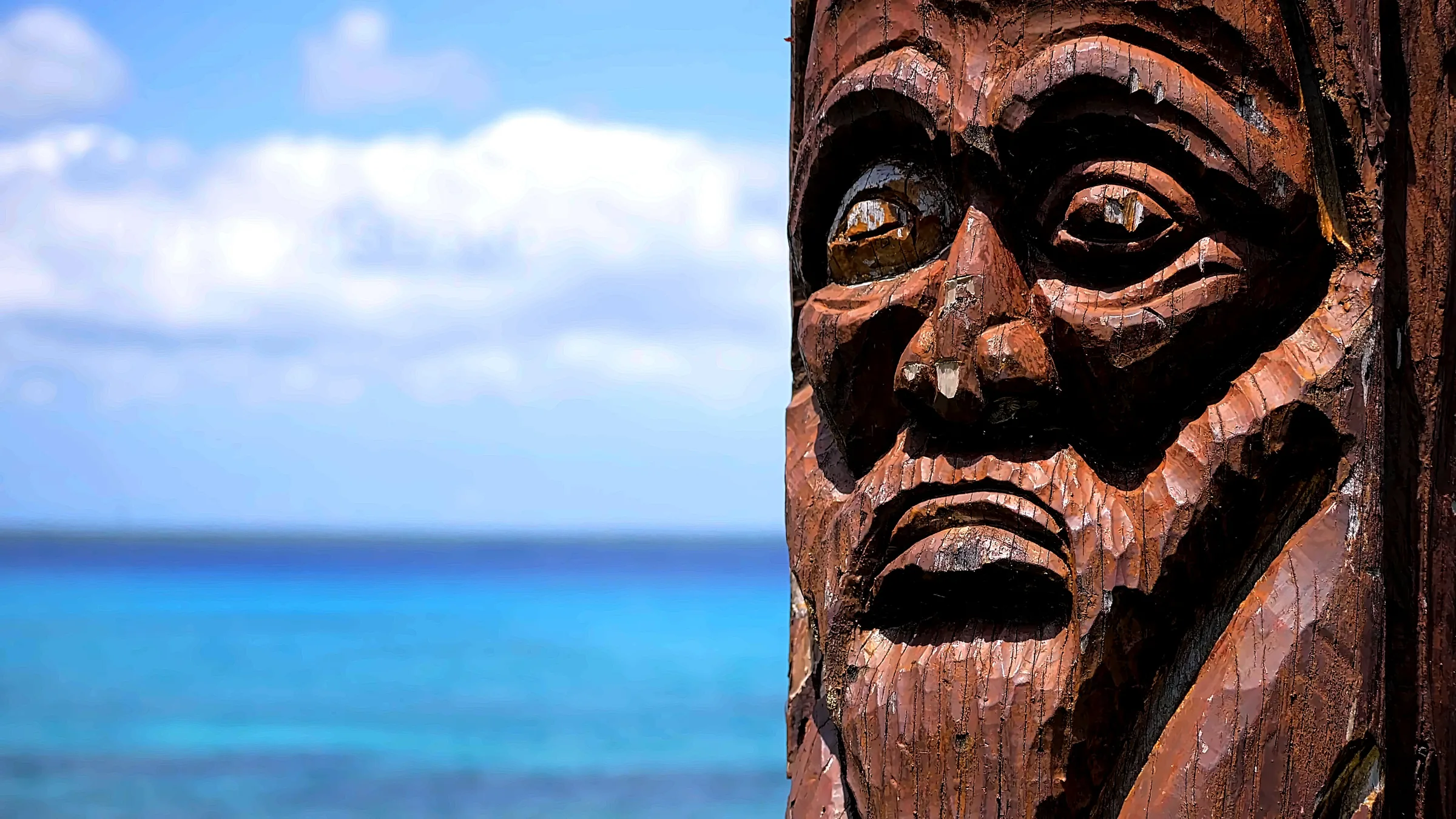
Terroir
Coral soil,
a dry season,
a living custom.
Lifou and the Loyalty Islands harbour one of the last sustainably managed wild sandalwood populations. The coral soil, dry climate in the cool season, and customary forest management practices shape a distinct chemical profile, drier and more mineral than Indian sandalwoods.
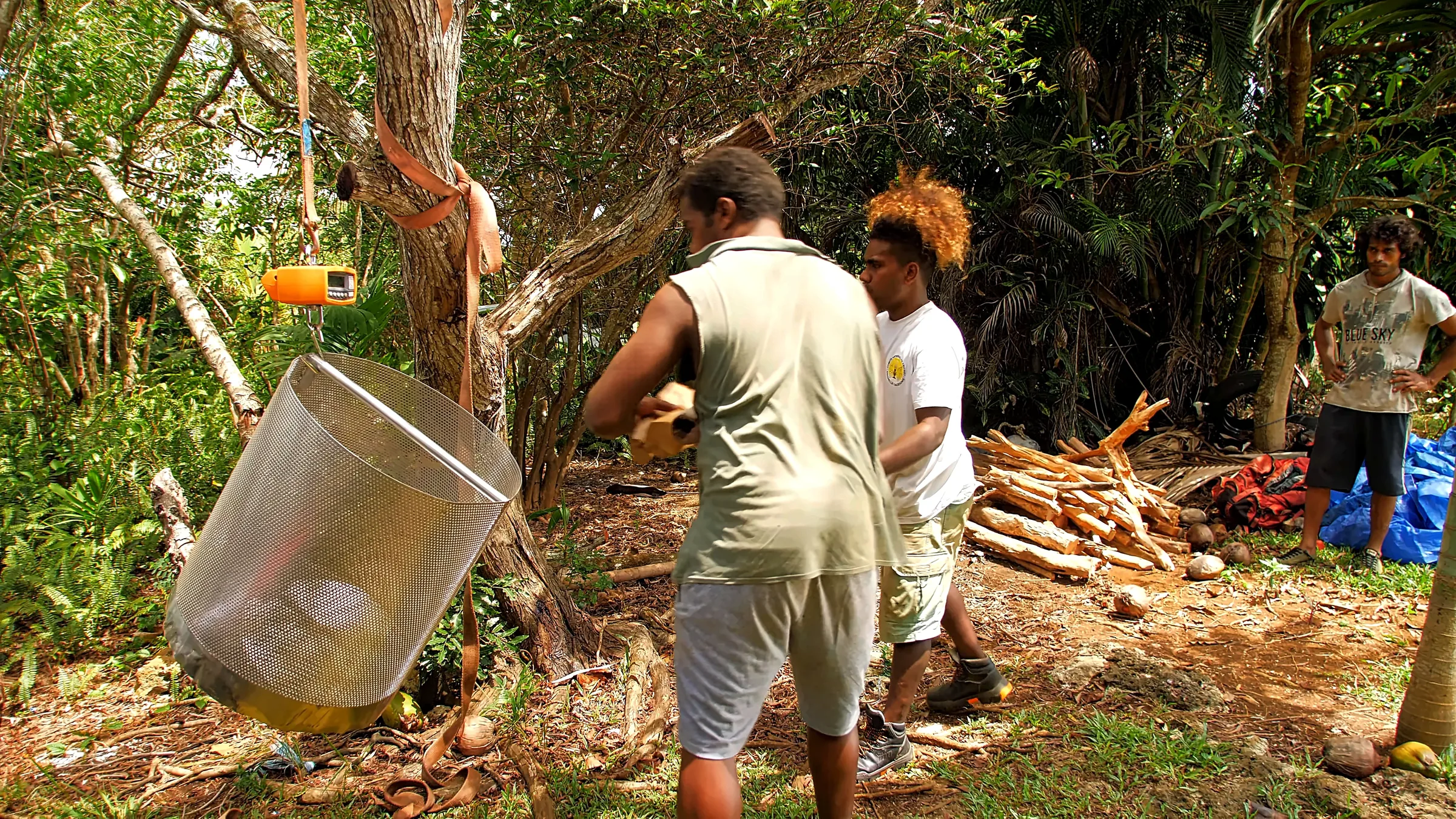
Weighed, from the tree
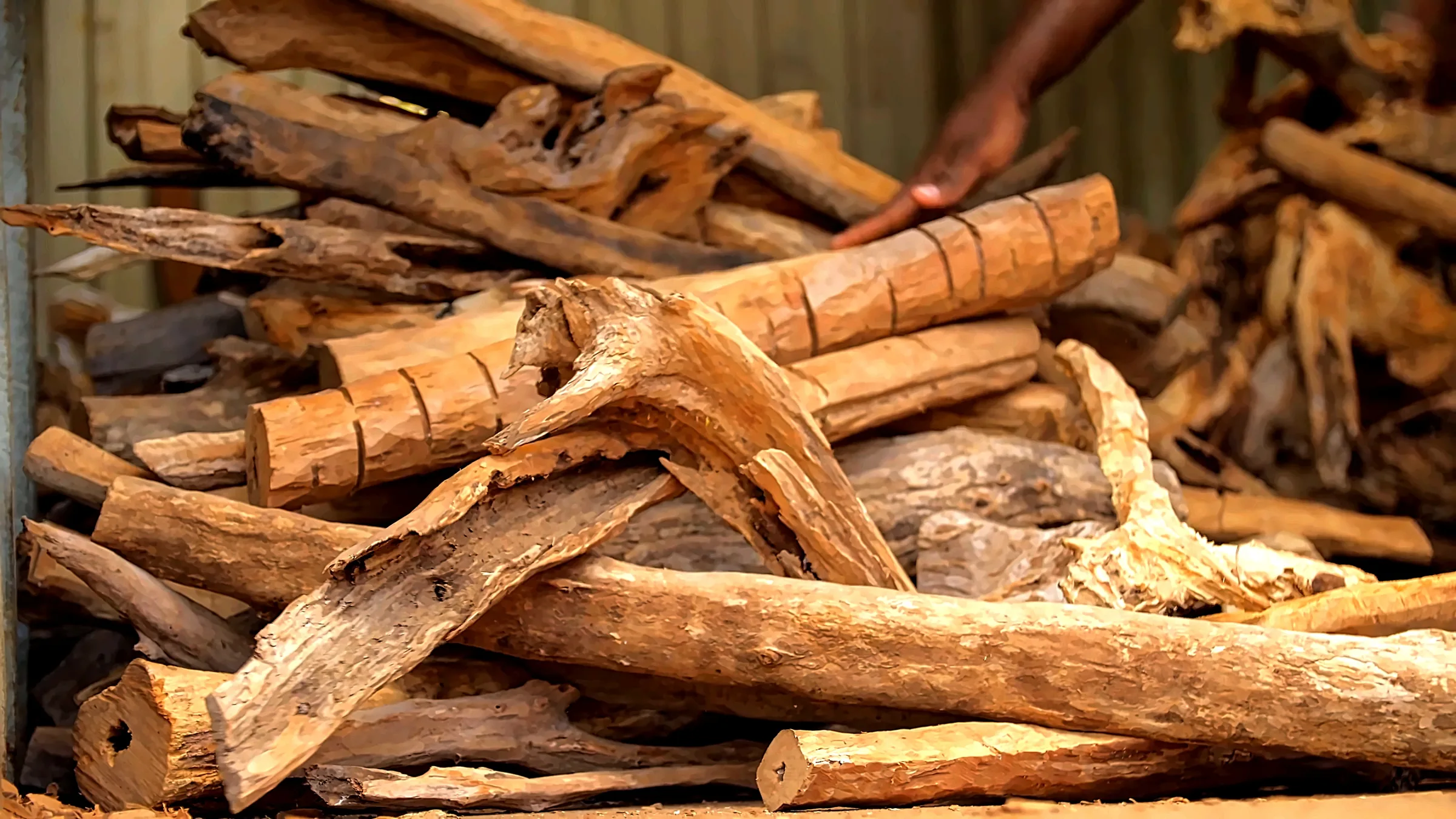
Heartwood, certified harvest
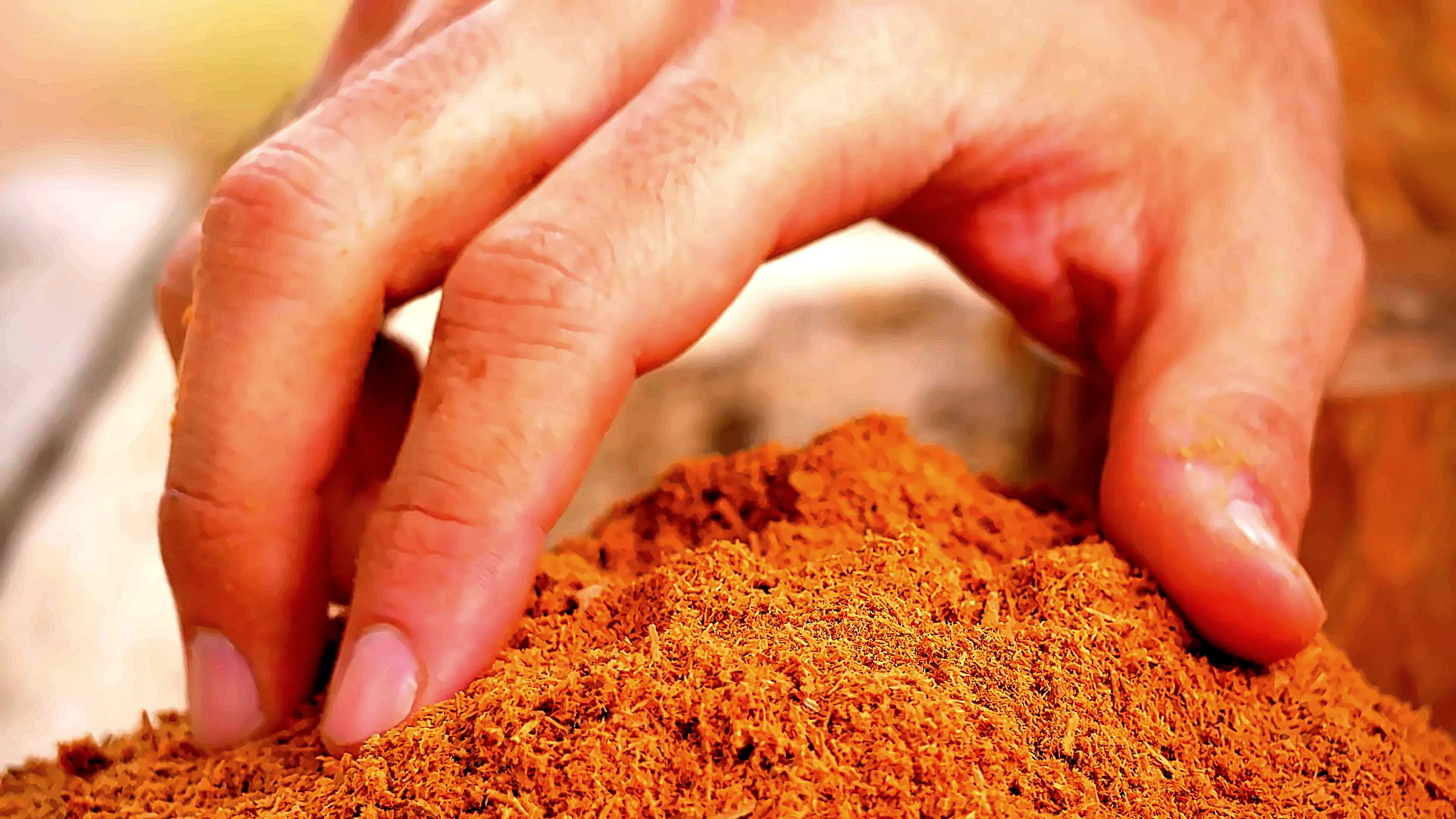
Powder, before the still

Olfactive profile
A dry wood, an amber persistence.
Top notes
Faint. Sandalwood is a base note by nature. Occasionally a fleeting green almond, a stroke of white pepper.
Heart notes
A dry, amber wood, faintly creamy. More mineral than Mysore sandalwoods, more structured than Australian sandalwoods.
Base notes
Deep, persistent, lightly milky. Exceptional skin tenacity (12-24 hours depending on the carrier).
Comparison
The world's
sandalwoods.
Each origin tells a different olfactive story. Our Caledonian sandalwood stands out for its mineral dryness, its persistence on skin, and its sustainable provenance, a Pacific sandalwood under wild stewardship, outside CITES.
| Origin | Profile | Availability | CITES |
|---|---|---|---|
| Mysore (S. album) | Lactic, sweet, opulent | Very restricted | Annex II |
| Australia (S. spicatum) | Dry, slightly resinous | Available, under strain | — |
| Vanuatu (S. austrocaledonicum) | Dry, amber, NC-like | Restricted | — |
| New Caledonia (S. austrocaledonicum) | Dry, mineral, persistent | Province quota | — |
Applications
From perfumery to
meditation.
Fine perfumery
Base note, modern woody accord, complement to oud and leather.
Luxury cosmetics
Signature ingredient for eco-luxe ranges, anti-ageing and mature skincare.
Premium aromatherapy
Meditative practices, relaxation, sleep. Pure oil, diluted in jojoba.