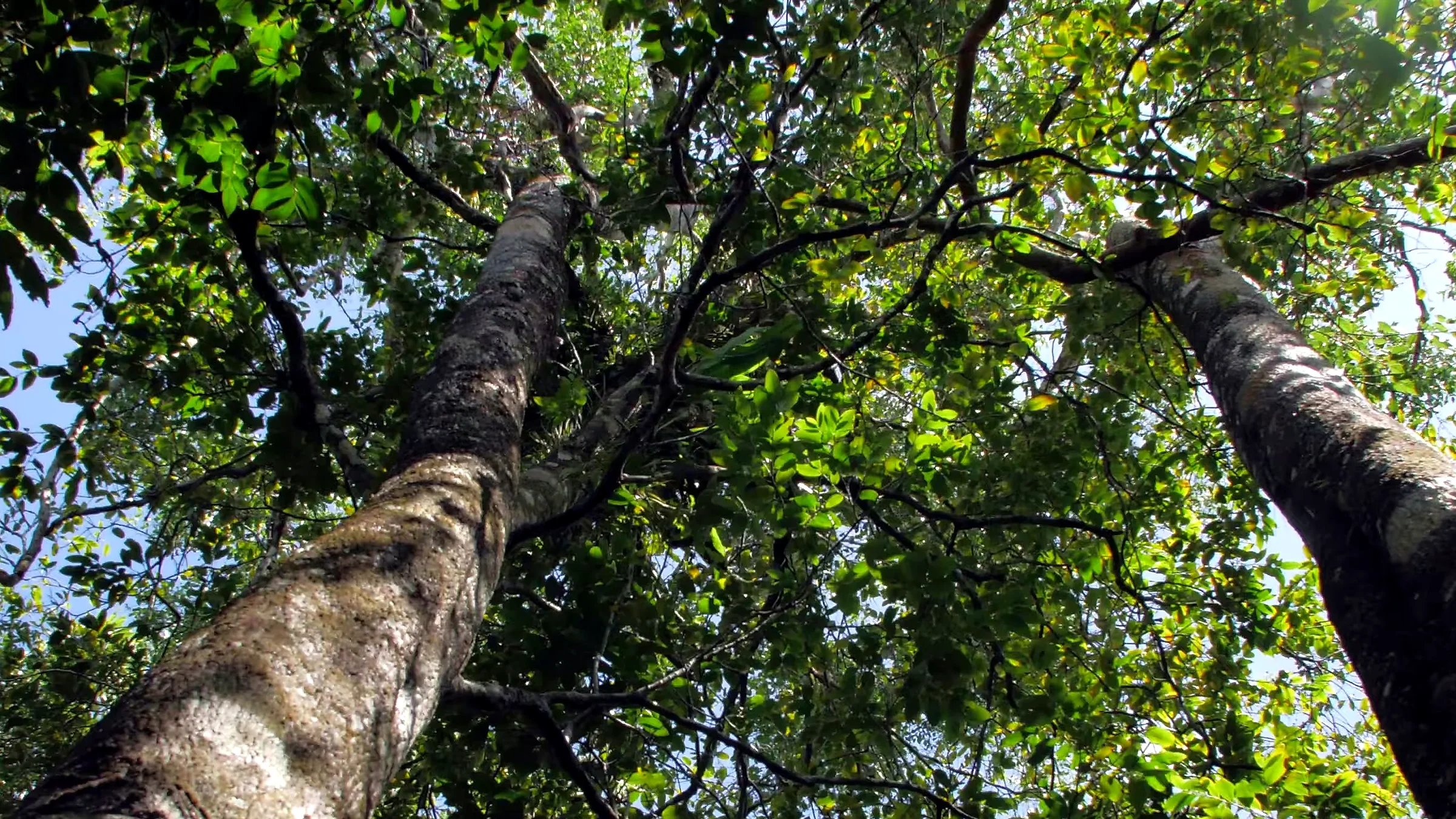
Most aromatic crops are measured in seasons. Sandalwood is measured in decades. The New Caledonia sandalwood industry rests on an endemic tree, Santalum austrocaledonicum, whose heartwood reaches its full richness only after several decades. That slowness explains almost everything: the excesses of the past, the strictness of today's rules, and the value of a resource that cannot be rushed.
A wood coveted since the 19th century
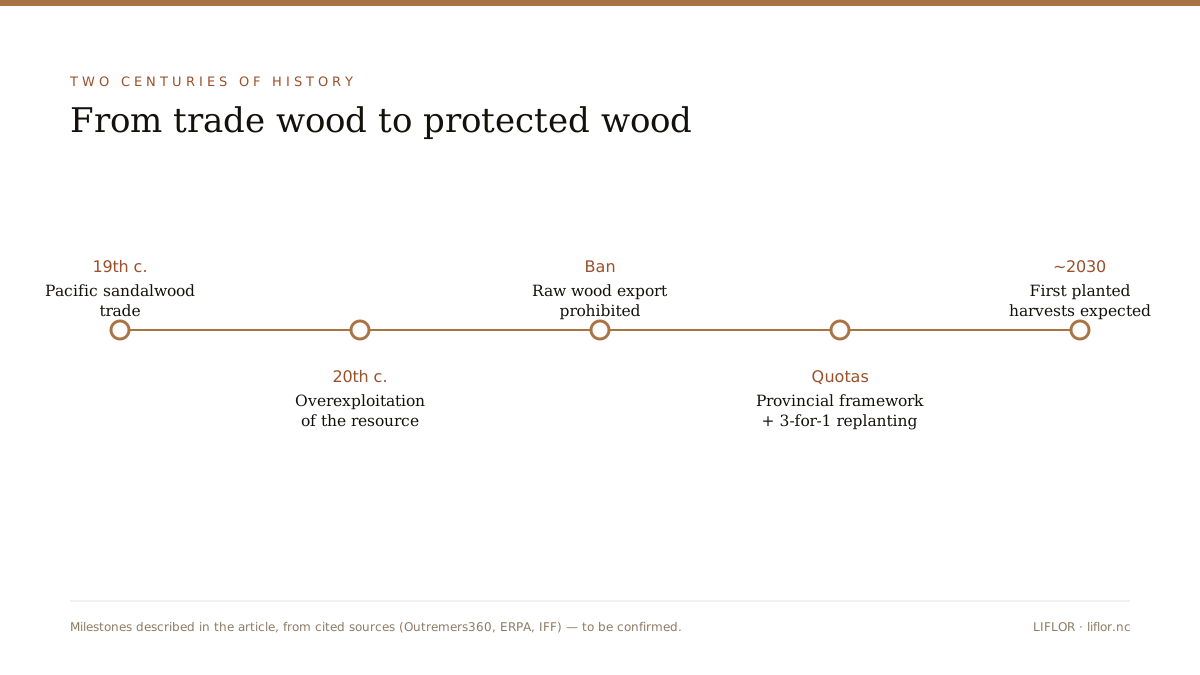
Trade in sandalwood across the Pacific is old. From the 19th century onward, the fragrant wood of the islands fed a commerce turned toward Asia, where it supplied incense and cabinetmaking. In New Caledonia, that steady demand weighed on natural stands which, cut faster than they were renewed, grew scarce. The consequence still shows on the map of the resource: according to Outremers360 (2015), sandalwood remains harvestable in only two areas, the Loyalty Islands and the Isle of Pines.
That long stretch of cutting without real replanting left a lesson. A species that takes a human generation to mature cannot withstand the pace of mining. The modern industry was rebuilt in response to that legacy, around a simple idea: whatever is cut must be counted, regulated and replaced.
Thirty years to a tree: why sandalwood is a slow resource
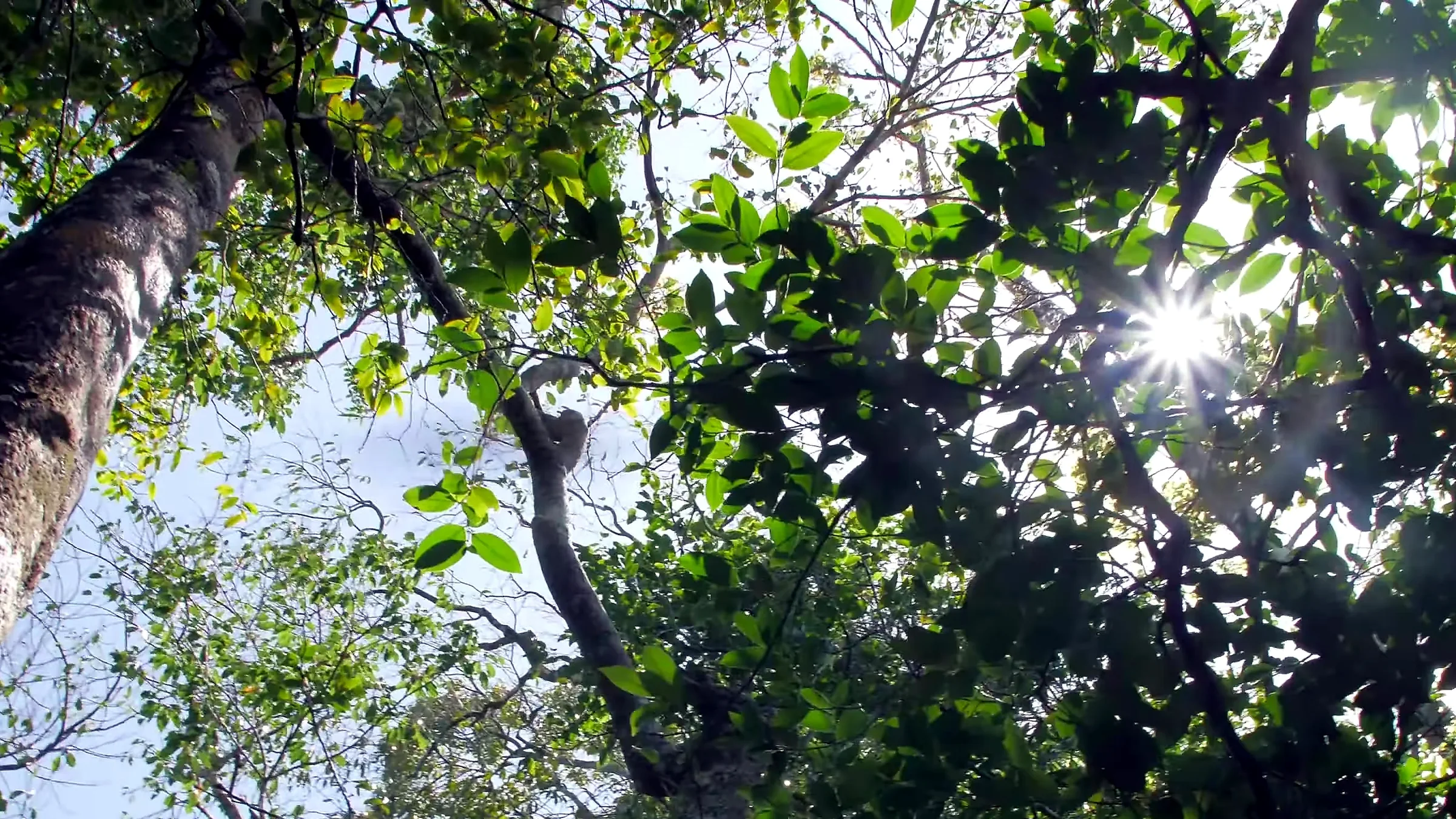
Sandalwood's scarcity begins with its biology. According to the Caledonian sector documented by Takone (2026), the tree reaches a first threshold of maturity at around thirty years in the wild. Planted and tended, it matures a little earlier, between fifteen and twenty-five years, but the harvest becomes truly optimal only between forty and fifty. The fragrance does not sit in the foliage; it concentrates in the heartwood and roots, which slowly build up santalols, the molecules behind the woody signature.
That chemistry is built over time. The essential oil of Santalum austrocaledonicum shows, according to Wikiphyto (Caledonian chemotype, to be confirmed against ISO 3518), a total santalol content of roughly 50 to 62 %, led by cis-α-santalol. As a species benchmark, and without any hierarchy of worth, the same source places Indian sandalwood Santalum album at around 90 % santalols and Australian sandalwood S. spicatum markedly lower: distinct profiles, made for different uses in perfumery.
Sandalwood is not harvested by the season, it is handed down: forty to fifty years can separate planting from a fully mature cut (Takone, 2026).
From tree to oil: the slowness continues in the still
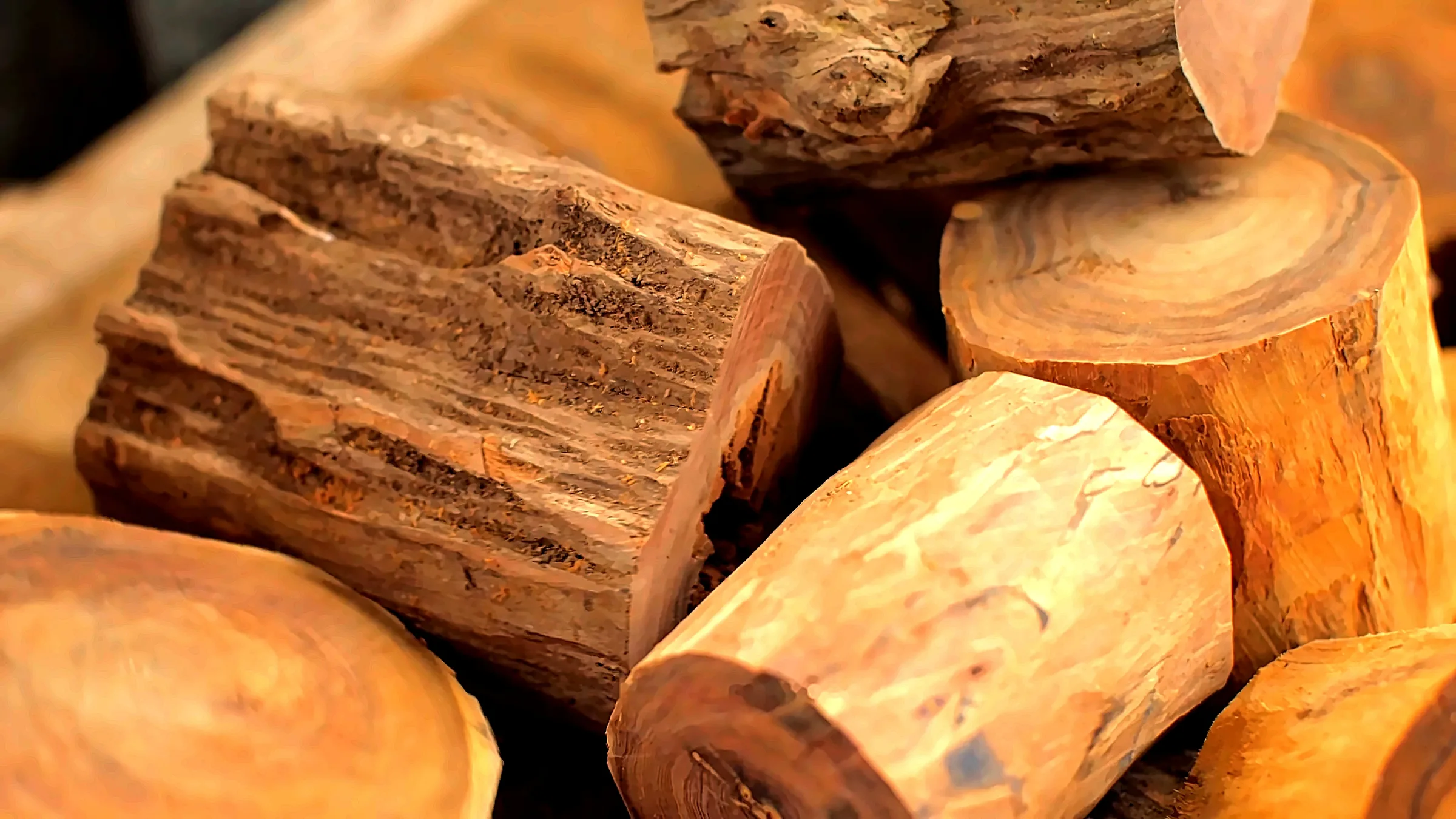
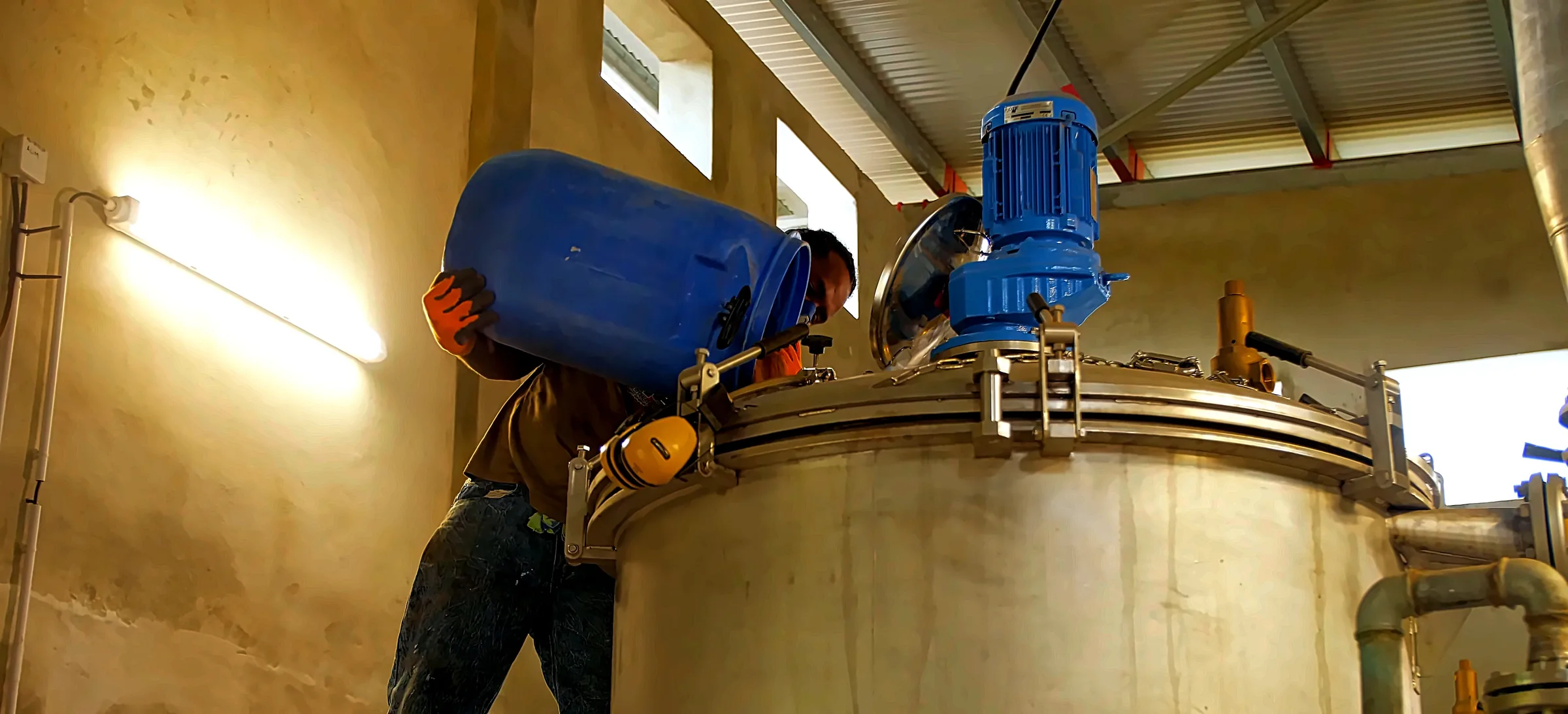
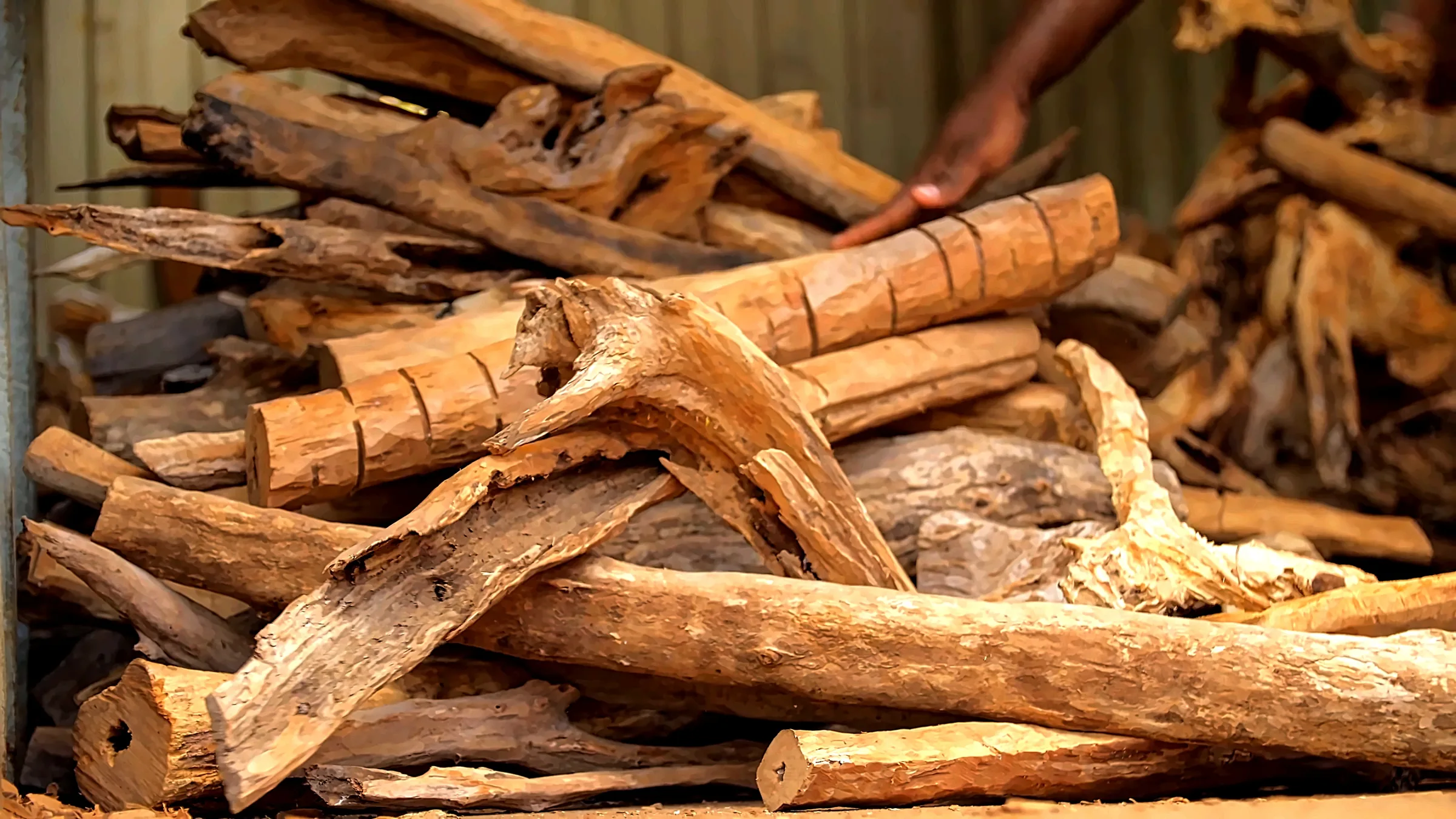
Patience does not end with the felling. Once the tree is down, it is the heartwood and the roots, never the foliage, that make their way to the still. They are first broken into shards, then into chips, to open the material and let the fragrance escape. Extraction is done by hydrodistillation, a slow process in which steam passes through the wood and carries off the santalols, the woody molecules built up over decades. According to the liflor.nc website (currently under construction, to be confirmed), the operation takes forty-eight to seventy-two hours and runs without a break, the distillery working around the clock so as not to interrupt the cycle once it has begun.
Yield has to be earned. The same source, still to be confirmed, places the α-santalol content above 40 % and annual output at around two tonnes of oil, while the wood trades at roughly 1,000 F CFP a kilo. These figures speak of a craft reality rather than an industrial one: sandalwood is not distilled on a production line, it is tended, watching the steam and the slow drip of the essence. Every drum that leaves the workshop thus concentrates years of waiting in the forest and several days at the still, an order of magnitude our craftsmanship page sums up.
From trade wood to protected wood: how the regulatory framework was built
New Caledonia's framework turns that slowness into rules. For the Loyalty Islands Province, sandalwood harvesting is governed by decision no. 2010-71/API of 19 August 2010 (source: ERPA), which sets annual felling quotas and provides for a resource inventory roughly every ten years. Each cut is documented with a certificate, and the replanting rule leaves no room for doubt: according to the FSC (2023), three trees must be planted for every one felled.
Protection extends to the borders. To keep the added value on the territory, exporting raw sandalwood is prohibited and the export of spent wood left after distillation is restricted (Outremers360, 2015). Caledonian sandalwood must therefore be processed locally before it leaves. That requirement has encouraged local distillation and a move toward certification: the Maré sector, for instance, secured FSC forest certification covering nearly 58,000 hectares, begun in 2018 and confirmed in November 2022 (FSC). These safeguards sit at the heart of our sustainable management approach.
For Life, FSC: what a certified origin guarantees
A traceable origin is proven by labels, not by words. Two frameworks shape the sector, and they do not cover the same ground. The first, FSC forest certification, attests to sustainable management of the stand, from inventory to felling: it is the one the Maré sector secured over nearly 58,000 hectares, begun in 2018 and confirmed in November 2022 (source: FSC). The second, the ECOCERT For Life standard, concerns social responsibility and responsible sourcing, beyond the forest alone.
One clarification matters, because labels are often confused. Since 2017, ECOCERT clearly distinguishes two approaches: on one side, a social-responsibility and responsible-sourcing certification, the For Life label; on the other, a strand dedicated to fair trade, run under a separate standard (source: ECOCERT). It is indeed For Life certification that the company partnering the Lifou sector holds, alongside its customary governance. For the detail of these guarantees and their scope, see our certifications.
The New Caledonia sandalwood industry and its 2030-2040 horizon
The market, for its part, is moving the right way. According to Grand View Research, the global sandalwood oil market rose from 174.4 million USD in 2024 to a projected 261.7 million USD in 2030, an annual growth close to 7 %. At the same time, supply stays constrained: a study published by Springer (2024) notes that world demand for Santalum album runs into thousands of tonnes a year, on the order of 5,000 to 6,000, against production cycles of fifteen to twenty years and more.
Price benchmarks tell the same story of tension, though Caledonian sandalwood does not appear among them: according to Global Growth Insights (2025), a kilo of Indian sandalwood oil sits around 3,800 to 4,200 USD, and Australian sandalwood between 1,600 and 2,000 USD. The price of Caledonian sandalwood is not public; it is quoted privately. In that context, an endemic, legal and traceable origin becomes a strategic asset for houses securing supply over the long term.
This is the whole point of the replanting undertaken since the early 2020s, whose first legal cuts are expected around 2030, and of long-term partnerships. LMR Naturals by IFF has worked with the Lifou sector since 2017, with a plantation started in 2020 and a fully Kanak-owned company based in Xépénéhé (the Drehu spelling of Chépénéhé), certified For Life (source: IFF). On the scale of a tree that lives for decades, planting in 2020 to harvest around 2040 is no short-term calculation: it is the very logic of the industry.
Sandalwood in perfumery: a base note that fixes and signs
In perfumery, sandalwood does not take the leading olfactory roles: it holds the score together. It is a base note, slow to unfold, that lengthens a trail and fixes the more volatile materials laid above it. Caledonian sandalwood brings a signature described as a dry, amber and faintly milky wood, more mineral and less creamy than that of other origins (sensory profile to be confirmed with the house). It is not a loud fragrance; it is a foundation, a woody warmth that lingers on the skin once the rest has evaporated.
- Fine fragrance: a woody base note that fixes the trail and binds the accords together.
- Scented cosmetics: a fragrant ingredient in skincare, soaps and oils, for its woody depth.
- Incense and ritual: the historic use that, from the 19th century, built the wood's Asian reputation.
- Ambience: candles and diffusion, where its slow evaporation prolongs the presence in a room.
This range of uses explains why the species are not interchangeable. A perfumer does not pick a sandalwood for a stated santalol figure, but for what a material brings to a formula: tenacity, a colour, a way of holding. Choosing Caledonian sandalwood therefore means working with an essence whose tree, plot and felling certificate are known, at a time when large buyers want to be able to prove the origin of every ingredient. Traceability stops being a matter of conscience and becomes a formulation tool. To discover the essence itself, see our Caledonian sandalwood page.
Lifou, where a handed-down craft lives on
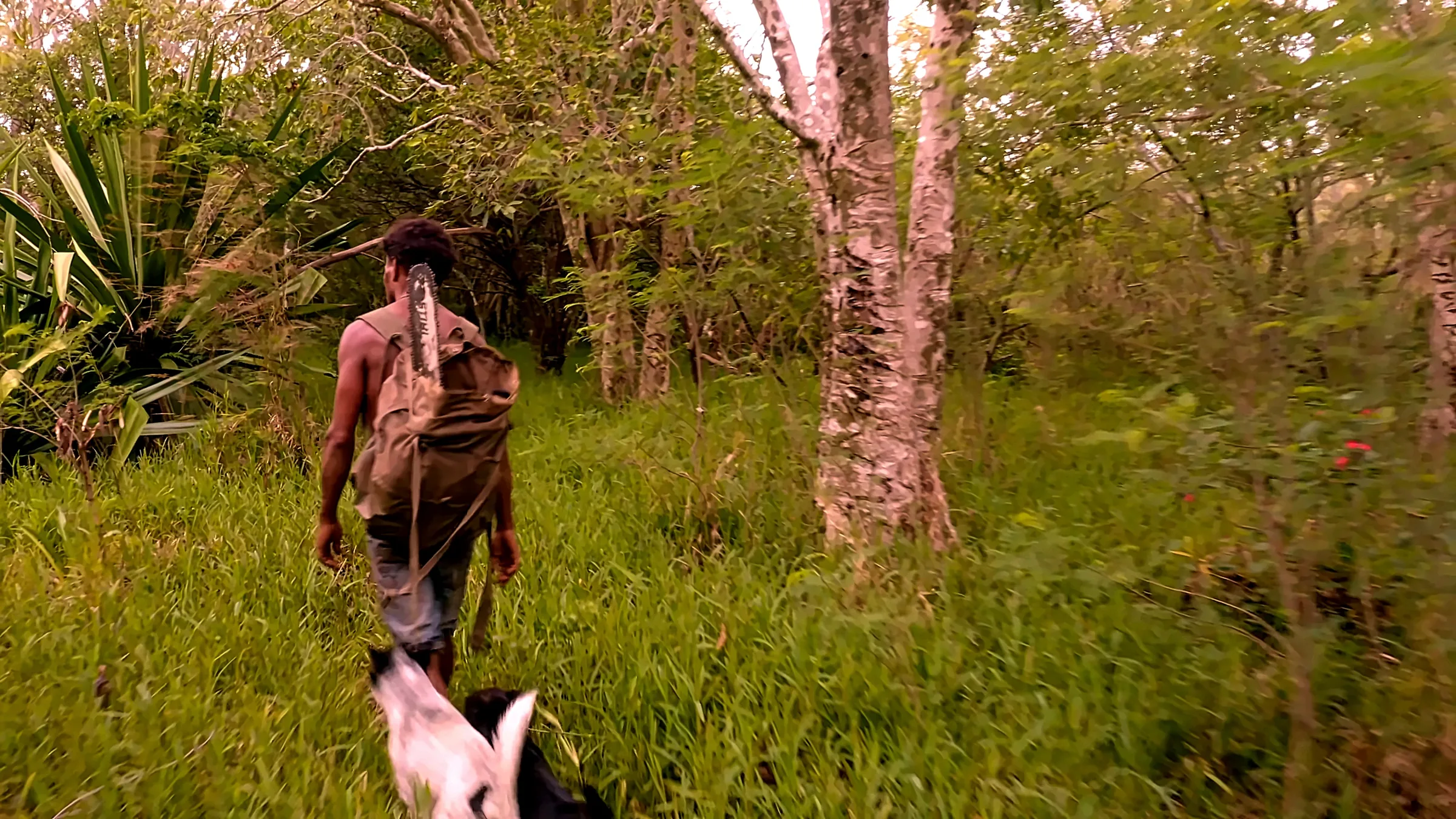
It is on Lifou, in the Chépénéhé tribe (Wetr district), that this history continues. Harvesting and distillation take place on the land of origin, under Kanak customary governance, with an agreement with the chieftaincy currently being formalised. The wood is processed locally, as the ban on exporting raw material requires, then packed for an international clientele.
This continuity between forest, still and export sums up the industry's turn: from a resource long taken without counting, it has become a rare and fully traceable ingredient. To explore the material itself, see our Caledonian sandalwood page or the detail of our certifications.
Beyond sandalwood: a terroir, a custom, a vanilla
Lifou sandalwood cannot be understood apart from its land. Harvesting is part of a Kanak customary governance, where access to the wood depends on an agreement with the chieftaincy, currently being formalised. Nothing is taken here without the custom being observed: it is a condition of operation, not a box to tick. This way of entering the forest, with the assent of those who keep it, places the resource within a long continuity, that of a territory handed down rather than owned.
Here, a material is not taken: it is earned, at the tree's pace and with the custom's assent.
The same terroir carries another culture of patience. Loyalty Islands vanilla, of which Lifou supplies close to 60 %, follows the same logic of long time: according to La 1ère NC, the archipelago's green-vanilla output settled at around 4.6 tonnes in 2025, against roughly 3 tonnes in 2017. Sandalwood and vanilla hold the same thread: a local hand, a season that cannot be rushed, a value built slowly and kept on the land. It is this coherence of terroir, more than any catalogue, that makes Lifou singular.
Frequently asked questions
Where is sandalwood harvested in New Caledonia?
The harvestable resource is concentrated in the Loyalty Islands and on the Isle of Pines; elsewhere, sandalwood has all but disappeared from workable stands (source: Outremers360, 2015). On Lifou, in the Loyalty Islands, harvesting and distillation take place on the land of origin, under Kanak customary governance.
How long does it take for Caledonian sandalwood to be harvestable?
According to the sector documented by Takone (2026), the tree reaches a first threshold of maturity at around thirty years in the wild, a little earlier under managed plantation (fifteen to twenty-five years). The harvest becomes truly optimal between forty and fifty years, as santalols slowly concentrate in the heartwood.
Is the Caledonian sandalwood industry sustainable?
It is governed by annual quotas and a replanting rule of three trees planted for each one felled, with a felling certificate (sources: ERPA, 2010; FSC, 2023). Exporting raw wood is prohibited, which requires local processing (Outremers360, 2015).
Can Caledonian sandalwood be ordered from abroad?
Yes. Liflor sells B2B internationally, packs in drums and ships worldwide; pricing is provided on request, privately.
How is Caledonian sandalwood essential oil extracted?
By hydrodistillation of the heartwood and roots, reduced to chips; the foliage is not distilled. According to the liflor.nc website (under construction, to be confirmed), the operation takes forty-eight to seventy-two hours and runs continuously, the distillery working around the clock.
How is Caledonian sandalwood used in perfumery?
As a woody base note that fixes the trail and binds the accords. Caledonian sandalwood (Santalum austrocaledonicum) is an endemic species with a profile distinct from Indian sandalwood Santalum album and Australian sandalwood S. spicatum, with no hierarchy of worth between these origins.
Caledonian sandalwood is not a material of abundance; it is a material of patience. Houses that write it into their formulas are betting on a resource whose value owes as much to its chemistry as to the way it is managed. To discuss supply, a sample or pricing, send us a quote request.
Sourcing Caledonian sandalwood for a project? Talk to the distillery.
Request a quote