Lifou vanilla: a spice born of an island terroir
Lifou vanilla is no market curiosity: it is a terroir spice, grown on a coral island in the Loyalty group where a humid climate, thin soil and human hands come together. Drawn from the orchid Vanilla planifolia, it is cultivated in small plots, often under tree cover, to the slow rhythm of South Pacific seasons. At Liflor, it extends the work already under way with Lifou sandalwood, held to the same standard of origin and traceability.
Like every fine vanilla, it demands the human hand at every step. The flower is fleeting, open for only a few hours, and must be pollinated one bloom at a time, using the method perfected on Réunion Island in the nineteenth century. Then comes the long patience of curing, which turns a green, scentless pod into a supple, brown, fragrant bean. Nothing in this chain is truly automated, and that is exactly where its value lies.
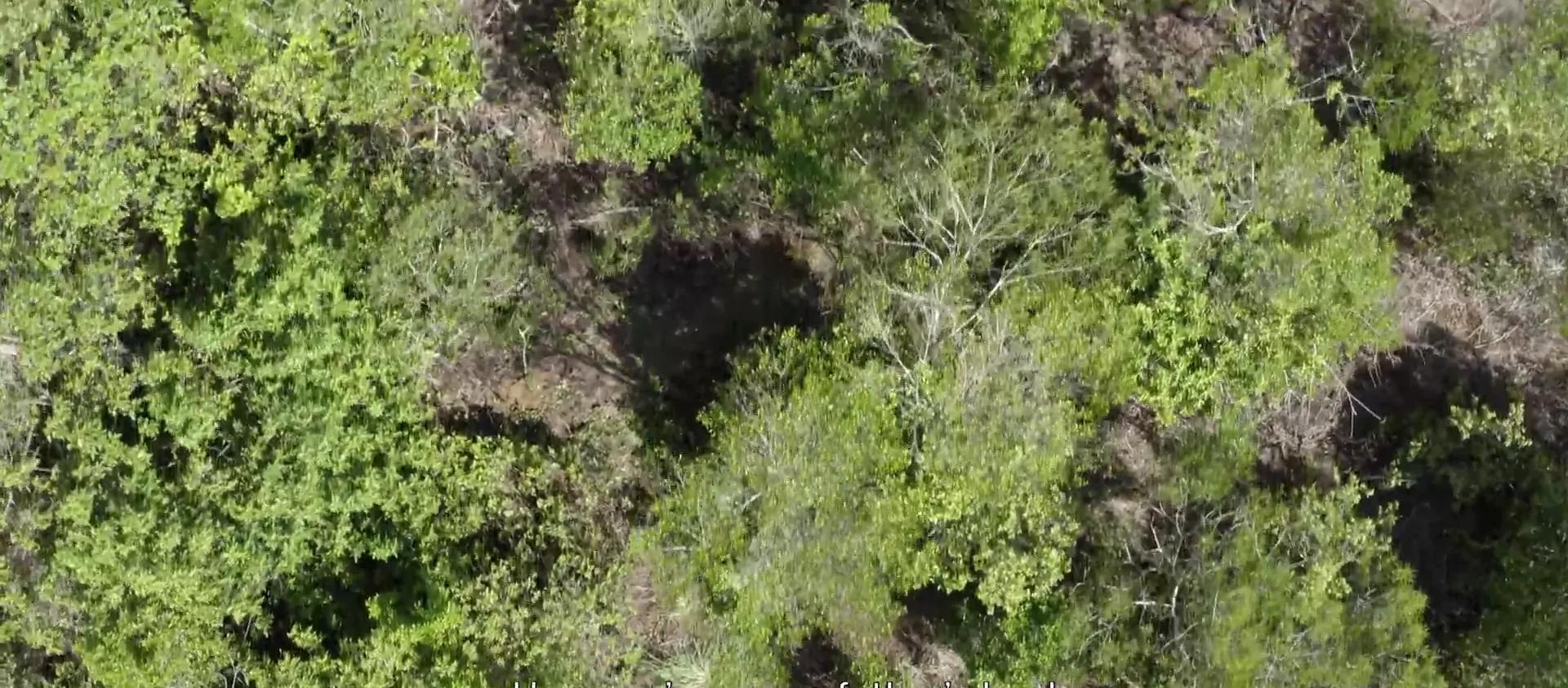
Lifou is the largest of the Loyalty Islands, a coral plateau with no rivers, where fresh water comes from rain and rock. That setting shapes a patient agriculture, mindful of Kanak customary land held and worked within the tribes. Vanilla has found a quiet place here, alongside food crops, and grows without upsetting those balances.
From vine to trunk: a pod's calendar
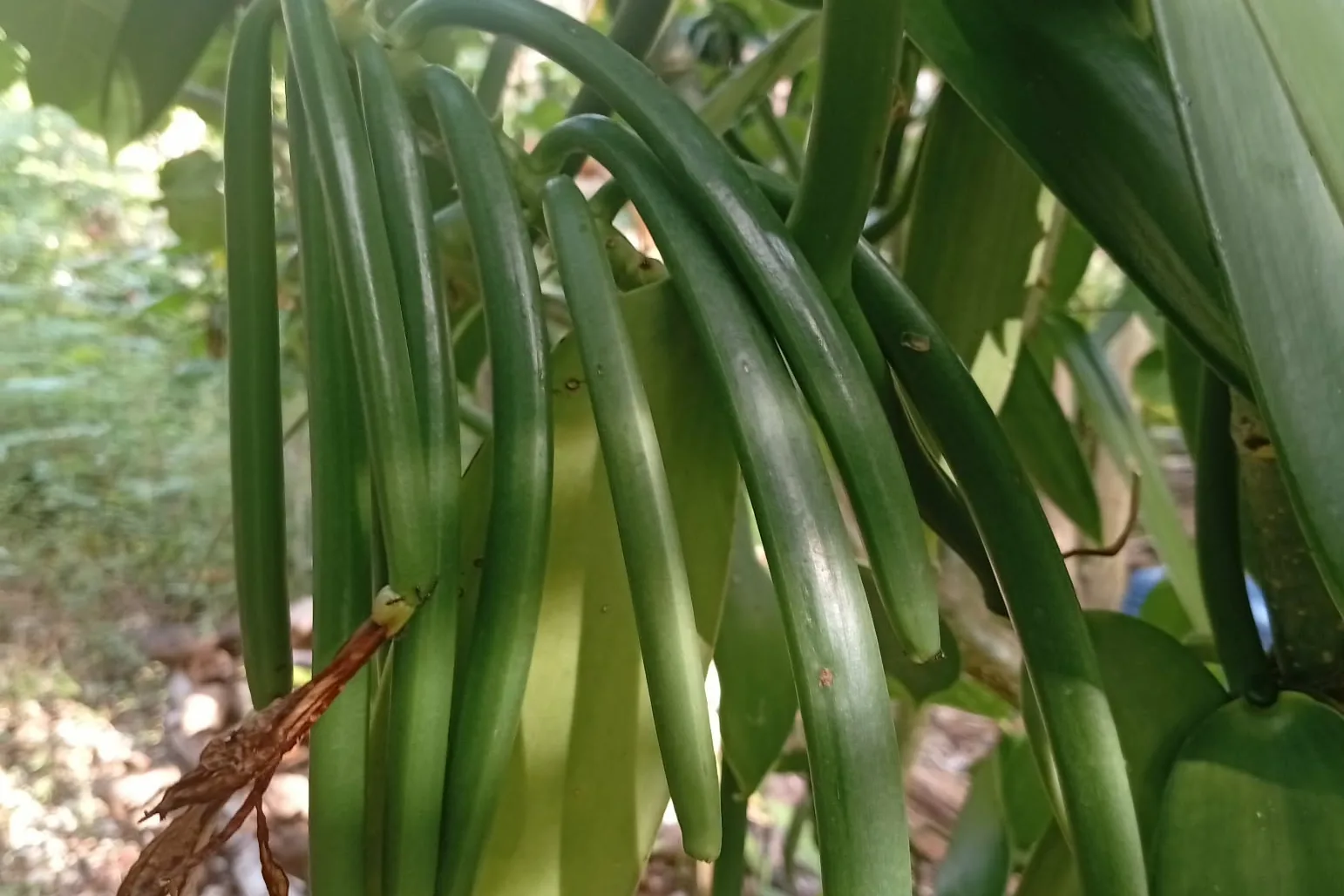
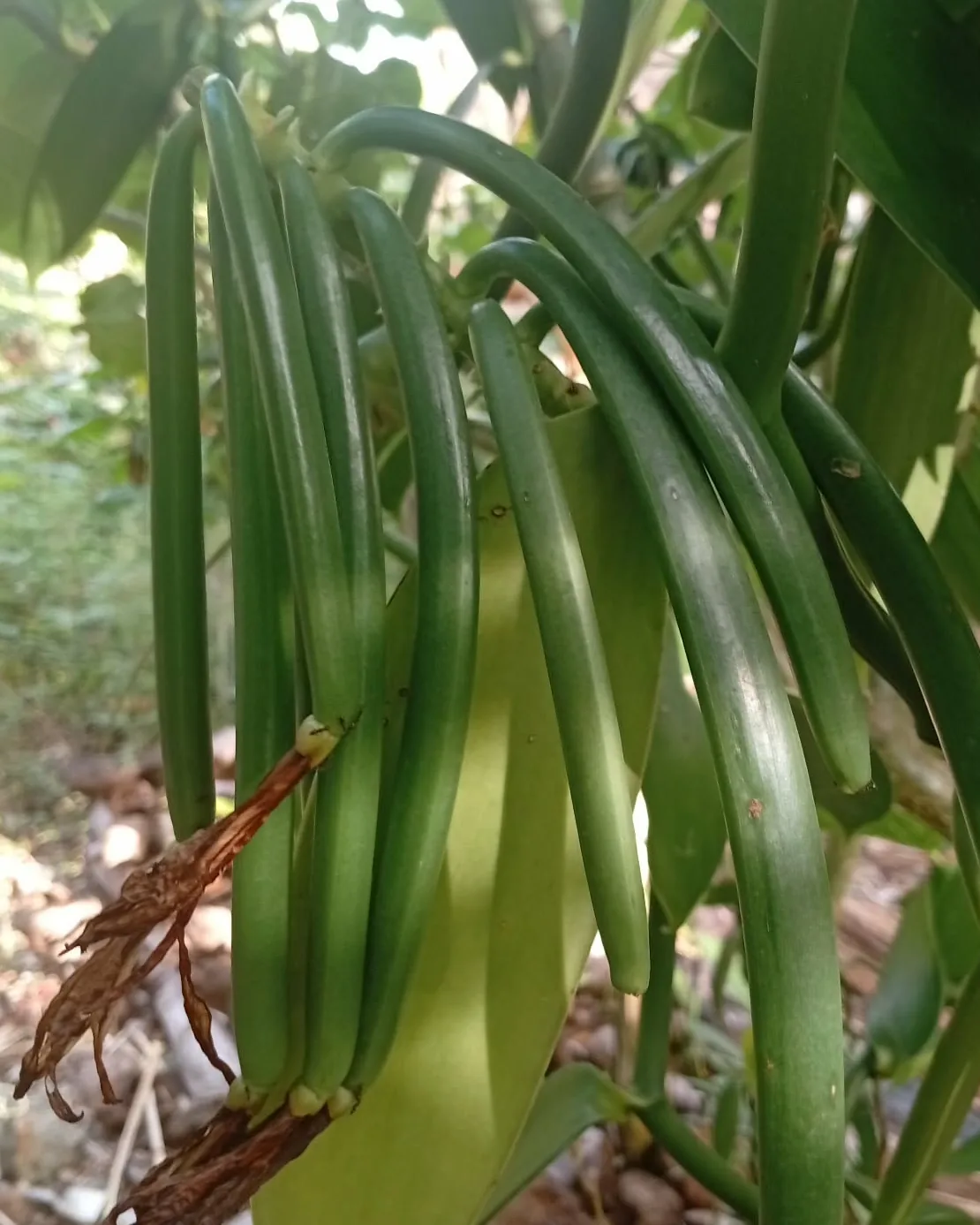
Before it is a spice, vanilla is a vine. On Lifou, Vanilla planifolia climbs living stakes in half-shade and takes several years to give its first flowers. When flowering comes, everything is decided in the early morning: the grower moves from bloom to bloom, lifts the thin membrane separating the orchid's organs and completes fertilisation with one precise gesture. A missed flower yields nothing; an overworked one exhausts the vine. That judgement, learned only through practice, already decides the harvest to come.
Then comes ripening on the vine, measured in months rather than weeks. The green pod swells, grows heavy, then signals its moment when the tip begins to yellow. Pick it too early and you forfeit its aromas; too late and it splits. After harvest, curing begins: a brief plunge in very hot water, sweating under blankets as the pod turns brown, weeks of drying alternating sun and shade, and finally the long rest in trunks. By the end of that chain, several kilos of green vanilla are needed to yield a single kilo of cured pods.
Every stage carries its own risk: mould settling in during sweating, over-drying that stiffens the pod, a trunk opened at the wrong moment. So the curer visits the pods the way a cellarman visits his barrels: sorting them, feeling them, smelling them, week after week. That silent vigilance appears on no label, yet it is what you are really buying when you choose a single-origin vanilla.
Lifou vanilla vs Madagascar vanilla: what sets them apart
Buyers often ask the same thing: how does Lifou vanilla differ from Madagascar vanilla? The answer begins with scale. Madagascar remains the world's leading producer and largely sets the price of so-called Bourbon vanilla. Caledonian output is measured in tonnes, not thousands of tonnes: this is a niche vanilla, rare by design, never meant to flood a market.
That rarity is not a weakness but a proposition. An island terroir, on-vine ripening and unhurried curing shape a profile that makers describe as round, woody and faintly cocoa-like. We stay measured about these descriptors: every harvest varies, and sensory analysis is still being formalised with the growers. What is settled is the direct link between plot and buyer, without a string of intermediaries.
Comparing is not ranking. Madagascar vanilla has its recognised qualities and vast history; Lifou vanilla plays a different tune, that of a rare origin chosen for its story and the freshness of its supply chain. For a buyer, the point is not to replace one with the other, but to widen the palette with a material few houses can offer.
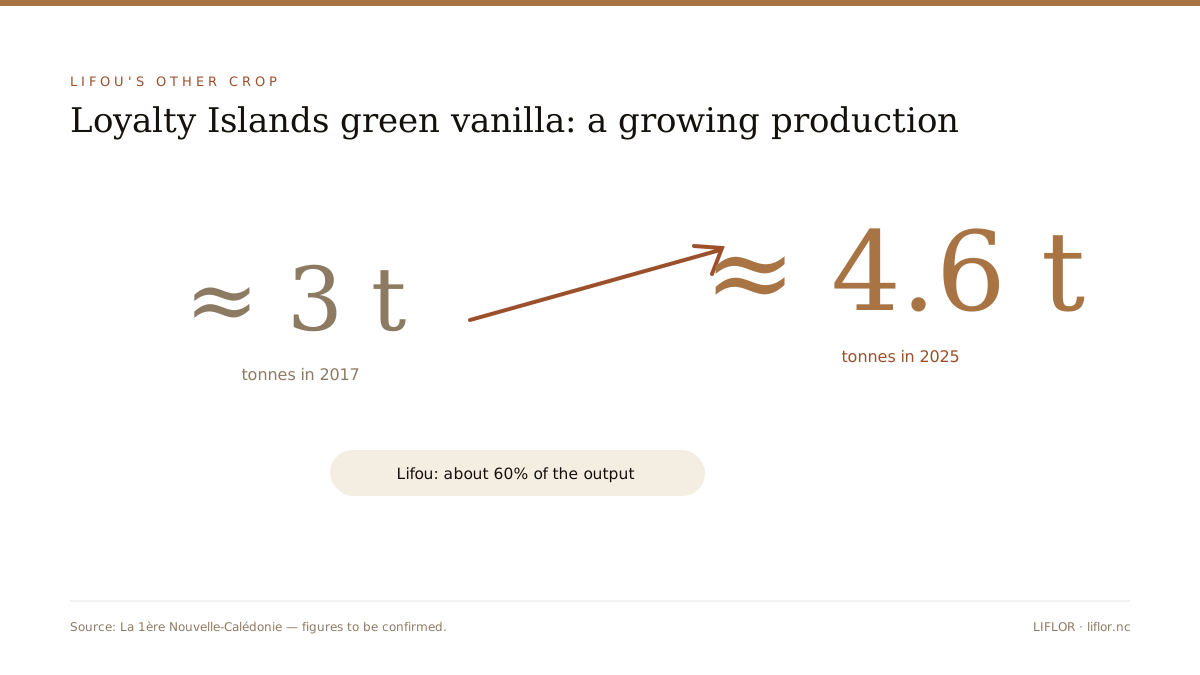
According to La 1ère Nouvelle-Calédonie, green vanilla output in the Loyalty Islands rose from around 3 tonnes in 2017 to nearly 4.6 tonnes in 2025, with Lifou alone accounting for some 60%.
A nervous world market, where rarity gains value
Vanilla is regularly cited among the world's most expensive spices, and its market among the most nervous. Dependent on a handful of large production basins exposed to cyclones, prices have swung through episodes of surge and retreat over the past decade that professional buyers keep in mind. That instability has changed behaviour: rather than relying on a single source, serious houses now build diversified, contracted and documented supply lines.
In that landscape, the Pacific's small origins hold a real card. Tahitian vanilla proved it long ago: an island can put its name at the top of the market not through volume but through a profile and a story no one can copy. Lifou vanilla follows in that wake, with one further asset: a French territory where traceability is documented without difficulty, from the plot to the shipping papers.
A supply chain moving upmarket in the Loyalty Islands
The sector's trajectory tells this upmarket story. According to La 1ère Nouvelle-Calédonie, green vanilla in the Loyalty Islands rose from around 3 tonnes in 2017 to nearly 4.6 tonnes in 2025, with Lifou alone accounting for some 60%. Volumes stay modest on a global scale, yet the growth reflects better-organised growers, work on quality and the ambition to reach beyond the local market.
This structuring rests on the curing craft, which is where a pod earns its worth. Scalding in hot water, sweating, slow drying and then months resting in trunks: this is where the aroma content and suppleness sought by pastry chefs and perfumers are built. A poorly handled pod loses most of its interest; a patiently worked one becomes an ingredient for fine gastronomy.
This momentum meets a global appetite for single-origin vanillas. After years of sharp price swings, driven by reliance on a few production basins, buyers are seeking complementary sources that are secure and documented. A Pacific vanilla, grown on French territory and meeting traceability requirements, answers that need precisely.
The price of Lifou vanilla: what justifies it
Many look for the price of Lifou vanilla before grasping its true cost. A fine vanilla commands its price because it takes close to a year of work: hand pollination flower by flower, harvest at the right stage of ripeness, then months of monitored curing. Add to that the rarity of the origin and volumes capped by plot size. The rate depends on grade, from plump gourmet pods to beans destined for extraction, and is quoted on request, by lot.
In practice, grade drives use. Gourmet pods, supple and rich in seeds, suit pastry and precision gastronomy; drier pods go to extraction, for flavours and perfumery. Each level calls for its own curing and calibration, and therefore its own price. A single price range would mean little: value is read lot by lot.
Gourmet or extraction: how to read a pod
Professionals judge a vanilla with a few gestures, always the same ones. Before any laboratory, it is the eye, the hand and the nose that speak:
- the coat: dark brown, oily, even, with no trace of mould;
- suppleness: a gourmet pod wraps around a finger without snapping;
- the nose: a clean, deep scent, free of smoke or damp notes;
- the inside: abundant, glossy seeds when the pod is split open.
This sensory reading maps onto the distinction between grades. The gourmet pod, still supple and fleshy, retains more moisture: it is the one pastry chefs work with, splitting it to infuse creams and ganaches. The extraction pod, drier, concentrates its aromas for extracts and demanding industrial uses. Neither is 'better' in the absolute: they serve different trades, and it is that destination which, lot after lot, sheds light on the price discussed above.
Perfumery and cosmetics: vanilla's other life
Pastry does not exhaust the pod. In perfumery, vanilla underpins amber and gourmand accords: perfumers do not use it as is, but as extracts, absolute or oleoresin, made from cured pods. The quality of the curing carries straight through to the extract: a carefully handled pod gives a round, balsamic material, free of harshness, that noses recognise at once.
Cosmetics follows the same path: vanilla scents balms and skincare as an enveloping base note, with no claim beyond the sensory. For these trades, origin counts twice over. A raw material whose plot, island and working hands can all be named feeds a brand's story as much as its formula.
This is where Liflor's approach comes into its own. The house already serves fine-perfumery buyers with sandalwood essential oil distilled on Lifou; its vanilla meets the same traceability requirements and speaks to the same people. For a composition house, sourcing two materials as complementary as a precious wood and a gourmand note from a single island is a rare configuration.
A quiet crop, woven into island life
On Lifou, vanilla is not grown on industrial plantations. It slips into gardens and beneath trees, at family scale, on customary land where each use is decided within the tribe. That scale is no mere backdrop: it explains the quality of the gesture, the handing-down between generations and the sector's ability to grow without betraying itself. The move upmarket described above did not happen against this model, but because of it.
The spice is part of the picture visitors carry away from the island: at Nathalo, a vanilla house attests to the place the pod holds in local life. That shared renown serves every grower and curer on Lifou: it fixes in people's minds the self-evident link between the island and fine vanilla.
From terroir to buyer: short supply chains and traceability
Lifou vanilla's final asset is its supply chain. Harvested, cured and packed on its home island, it reaches the buyer through a short, legible path, from plot to trunk. For a pastry artisan or a perfume house, that traceability serves as a guarantee: you know where the pod comes from, who grew it and how it was handled. It also anchors the sector in responsible trade, carried by the Kanak communities of the Loyalty Islands. Buyers who would like a sample or a quotation can contact us.
Frequently asked questions
What is the difference between Lifou vanilla and Madagascar vanilla?
Lifou vanilla is a niche vanilla, produced in small volumes on a Loyalty island, whereas Madagascar remains the world's leading producer. The gap is not only about quantity: on-vine ripening, slow curing and a short supply chain give Lifou vanilla a profile and a traceability of its own.
What is the price of Lifou vanilla?
The price depends on pod grade, gourmet or extraction, and on the harvest. As with any fine vanilla, it reflects nearly a year of work and heavy labour. At Liflor, the rate is quoted on request, by lot.
Where is Lifou vanilla produced?
On Lifou, in the Loyalty Islands of New Caledonia, on island plots worked by local communities. The pod is harvested, cured and packed on site.
Does Liflor produce anything besides vanilla?
Yes. Liflor is best known for its Pacific sandalwood essential oil, distilled on Lifou; vanilla extends that terroir work with the same demand for origin.
How should Lifou vanilla pods be stored?
Away from air and light, in an airtight container, a glass tube or a carefully sealed pouch, kept at moderate room temperature. The refrigerator is not advised: it dries the pod out and can encourage surface mould. Well kept, a cured pod holds its fragrance for many months.
Is Lifou vanilla used in perfumery?
Yes. Perfumery uses vanilla as extracts made from cured pods, at the heart of amber and gourmand accords. A rare, traceable origin such as Lifou appeals first to houses seeking materials with a story; enquiries are handled lot by lot, on request.
Lifou vanilla makes a simple case: an island can produce, in small quantities, the materials that luxury truly seeks. By linking terroir, craft and traceability, it is steadily earning its place beside the great origins.
Sourcing Caledonian sandalwood for a project? Talk to the distillery.
Request a quote