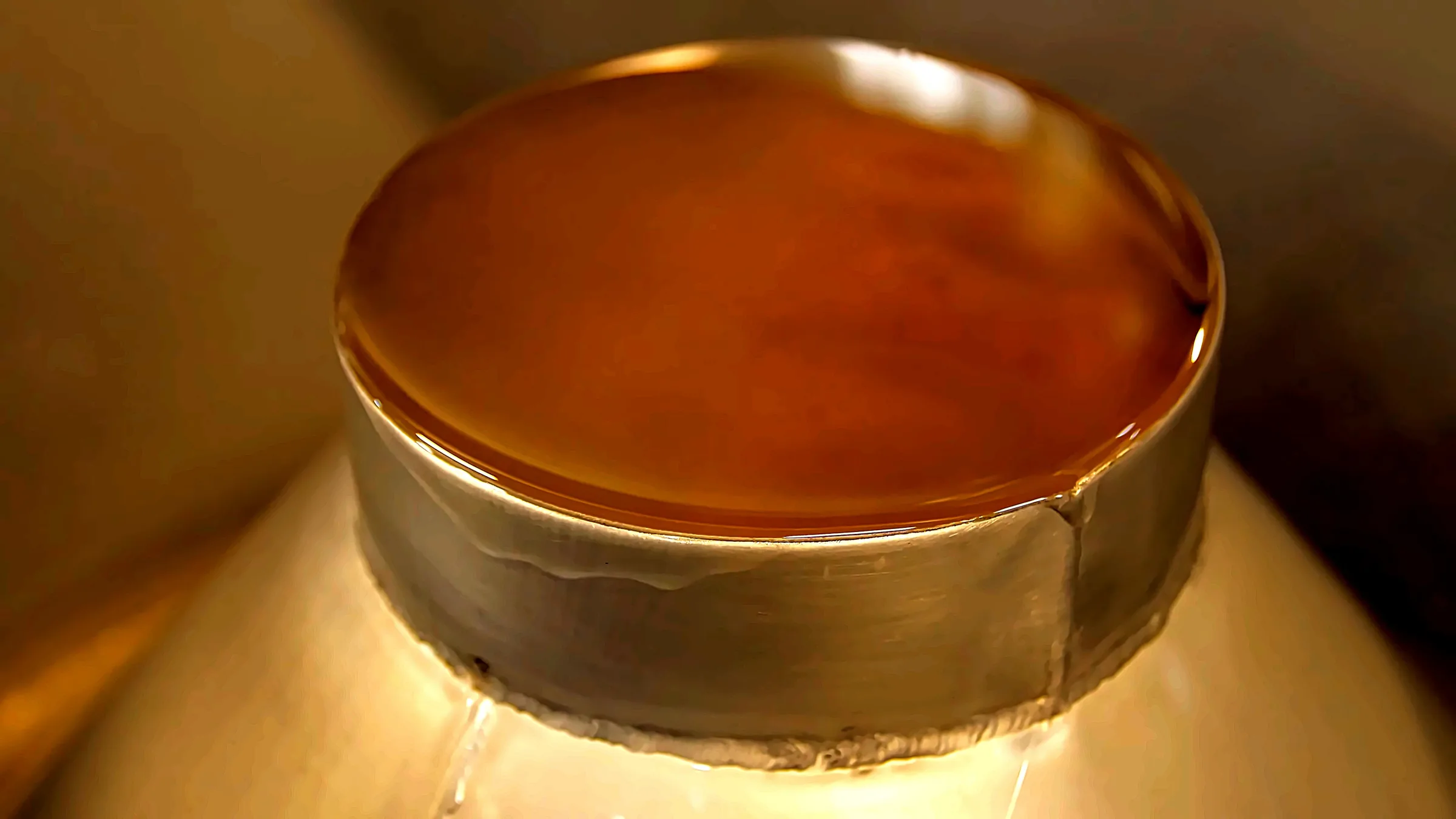
The New Caledonia sandalwood oil profile draws perfumers looking for a serious alternative to the historic origins. It comes from a species endemic to New Caledonia, Santalum austrocaledonicum, and unfolds a drier, more mineral wood than the Asian sandalwoods the nose knows best. At Liflor, on Lifou, this material is born of a tightly defined terroir and a slow distillation. What its chemistry and its notes have to say is worth pausing on.
Santalum austrocaledonicum: the sandalwood endemic to Lifou
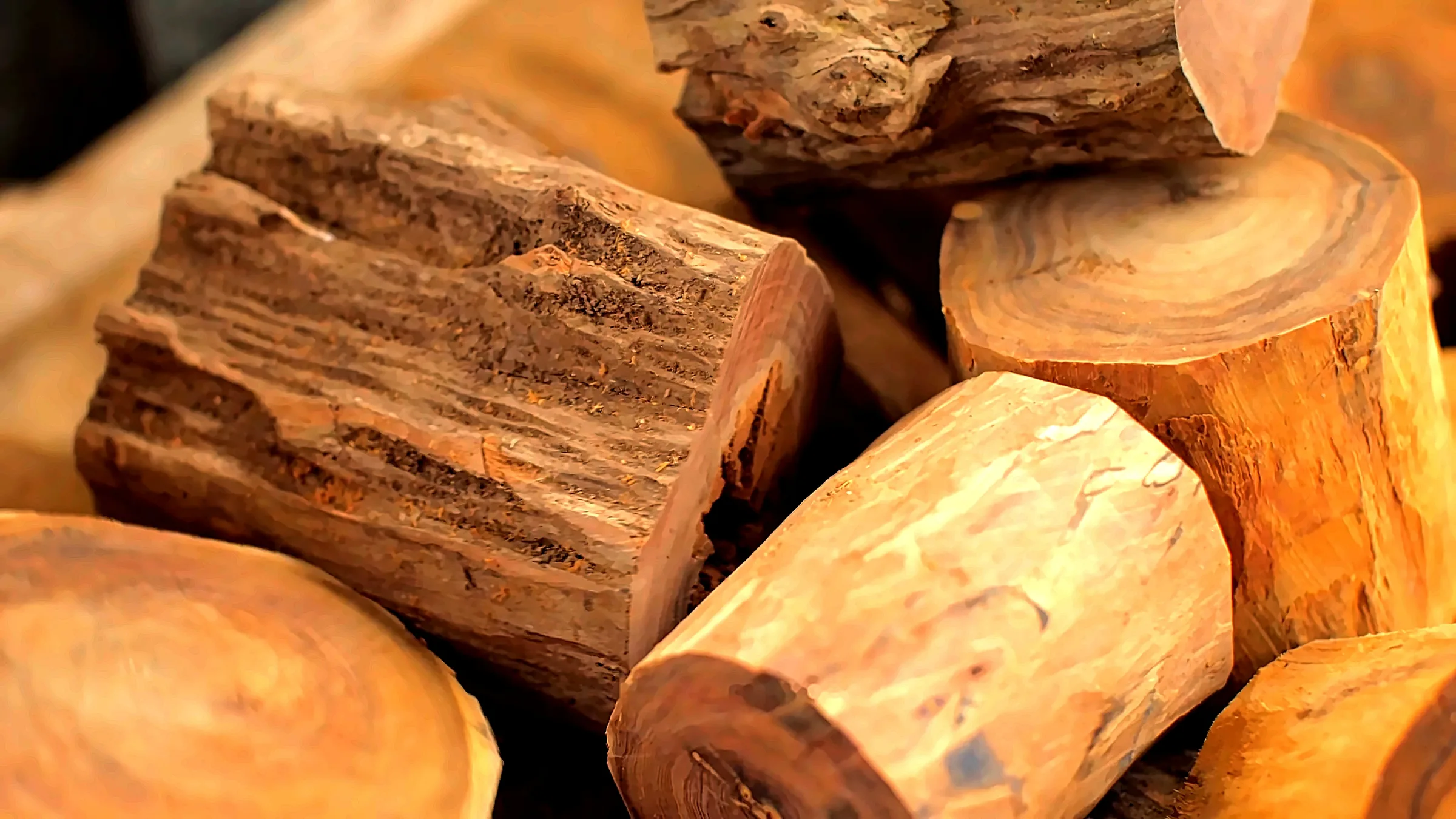
The species belongs to New Caledonia and grows nowhere else in the wild. According to Outremers360 (2015), the exploitable resource is confined to the Loyalty Islands and the Isle of Pines, which caps the volumes from the outset. The tree grows at a pace that commands respect: Takone reports that it reaches maturity around thirty years, with the harvest only optimal between forty and fifty. Liflor harvests and distils it on Lifou, in the Chépénéhé tribe, within the Wetr district.
This long span is not a production constraint; it is the very nature of the resource. The sector is organised around quotas and Kanak customary governance, whose restraint stands apart from fast-extraction logic. Placing the material in its wider context is another matter; here, we focus on what the nose and the analysis reveal.
The New Caledonia sandalwood oil profile
The New Caledonia sandalwood oil profile is recognised by its dryness. Where Mysore sandalwood lays down a creamy, rounded milk, Lifou sandalwood leans toward a dry, ambered wood, barely milky, with a mineral facet that gives it grip. The material reads as more austere, less gourmand, turned toward the shadow of the wood rather than its sweetness. That signature appeals to perfumers after a clean base, without an excess of roundness.
In perfumery, sandalwood acts as a base note and a fixative: it carries a composition over time and rounds off more volatile materials. The Caledonian chemotype delivers that function with a soberer, almost graphic reading. It sits easily in a contemporary woody accord, a reworked chypre, or as a counterpoint to a white flower. There is no need to push the dosage; its persistence does the work.
Drier and more mineral than Mysore sandalwood, the Lifou wood pulls toward shadow rather than milk.
Assessing a sandalwood oil: the perfumer's method
A sandalwood oil is not judged in the bottle but on the blotter. The perfumer places a drop there, most often diluted to ten percent in alcohol, then follows its evolution over hours, sometimes over several days. The opening says little: it announces only a direction. It is the dry-down, long after application, that reveals the tenacity and the truth of a wood. Sandalwood belongs to those materials that give themselves slowly, and that demand the time to unfold.
Sandalwood is not judged at the opening but in the dry-down: it is in the base, hours later, that a wood tells its truth.
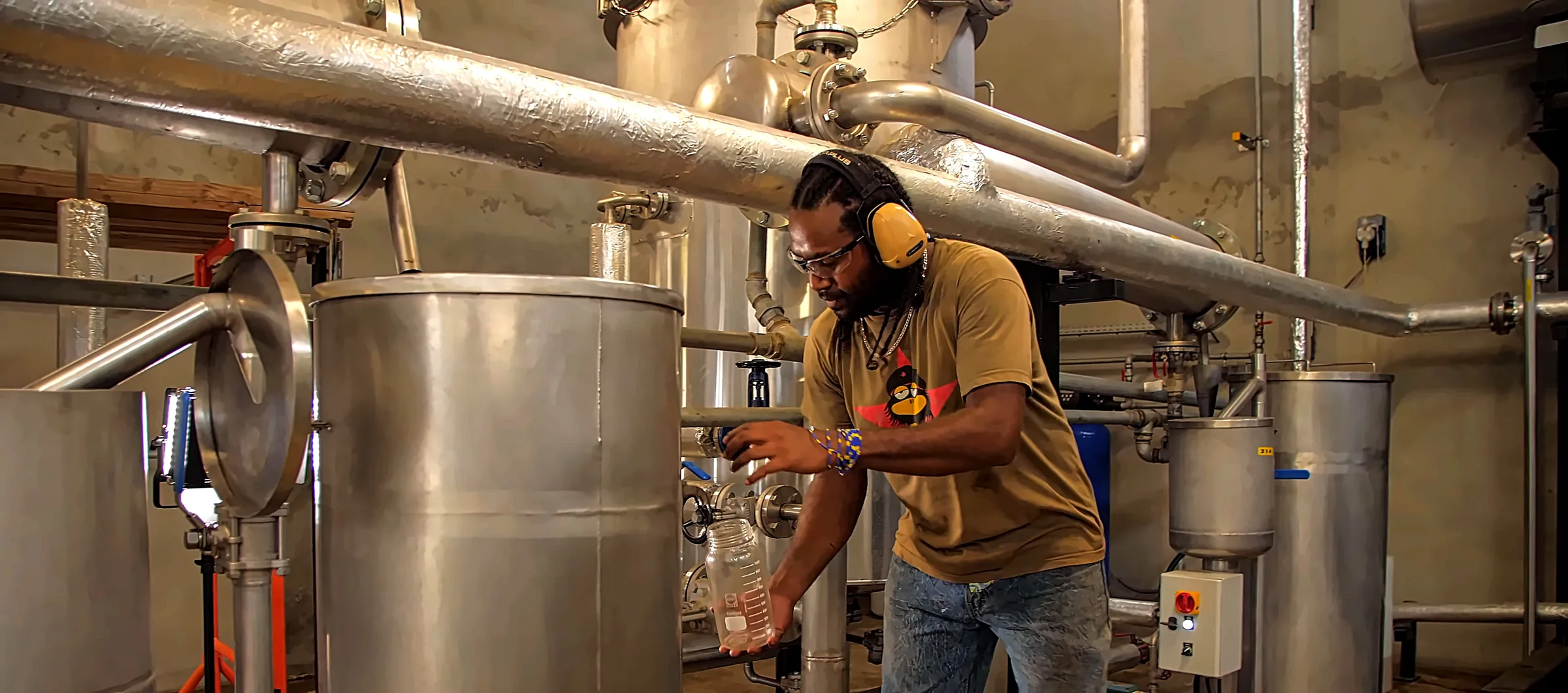
Instrumental analysis complements the nose without ever replacing it. Gas chromatography measures the share of each santalol and checks the batch against the ISO 3518 standard, the reference used to qualify a sandalwood oil. The figure then confirms what the blotter had already sensed: one speaks through measurement, the other through memory. A material's entry into a formula depends on this double reading, and our craft of distillation aims precisely to preserve that balance, from the choice of wood to the last fraction collected.
Santalols, lancéol, bergamotol: reading the chemical signature
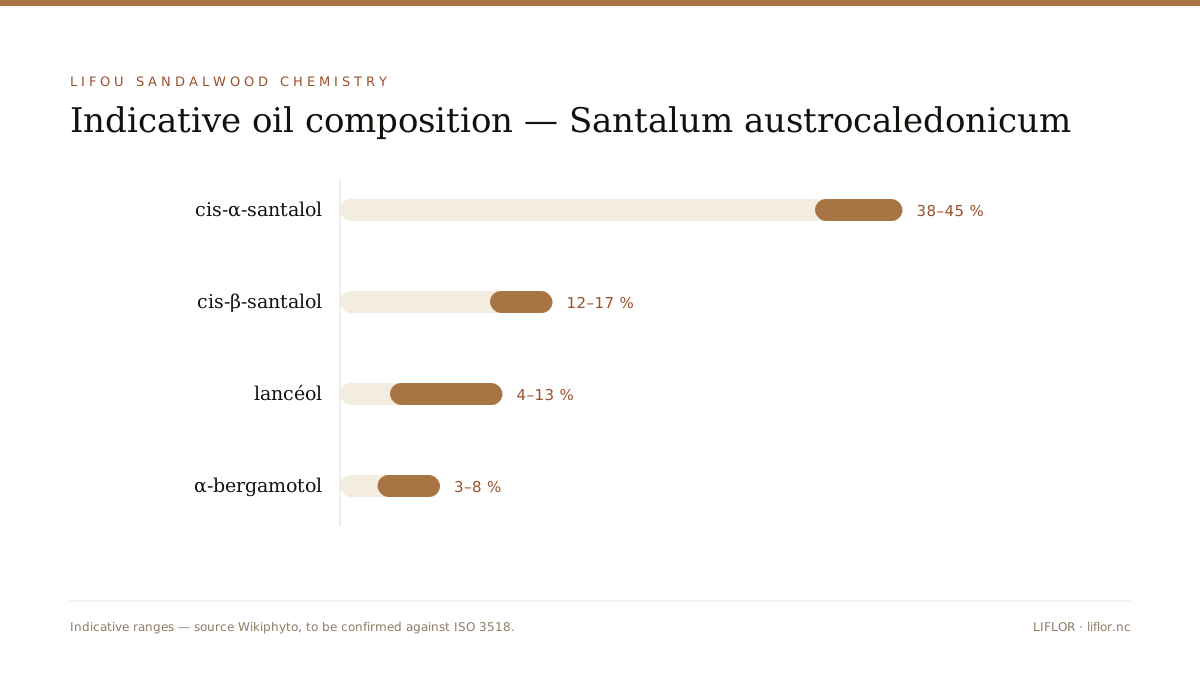
Santalol is the lead odour molecule of every sandalwood: it carries the characteristic woody note and the tenacity of the oil. Two main forms are distinguished, α-santalol and β-santalol, with slightly different facets. In Santalum austrocaledonicum, the composition recorded by Wikiphyto (to be confirmed against ISO 3518) draws a particular balance, where the santalols sit alongside a notable share of lancéol, a molecule rarer in the Asian sandalwoods.
- cis-α-santalol: 38 to 45%
- cis-β-santalol: 12 to 17%
- lancéol: 4 to 13%
- α-bergamotol: 3 to 8%
- total santalols: about 50 to 62% (source Wikiphyto, to be confirmed against ISO 3518)
Lancéol and α-bergamotol account for part of the dry freshness and the ambered nuance one perceives. According to early figures shared by Liflor (website still being finalised, to be confirmed), the α-santalol in its oil exceeds 40%, placing it within the range fine perfumery expects. Batch detail appears in our specifications, drawn up for each distillation.
Alpha- and beta-santalol: the chemistry behind the note
Behind the word “santalol” hide two sister molecules with distinct behaviour. Alpha-santalol, the more abundant, carries the full, faintly milky woody facet that signs the material; beta-santalol, less present, proves more powerful and more diffusive, often held to be the very heart of the sandalwood odour. They are two sesquiterpene alcohols, each identified by its own CAS registry number, and it is their balance, far more than their sum, that draws a profile.
Configuration matters as much as proportion. It is the cis- forms that carry the sought-after odour, while the trans- forms, more discreet, add only a breath. That is why analyses of Santalum austrocaledonicum are expressed in cis-alpha-santalol and cis-beta-santalol rather than in total santalol: the precision, invisible to the first sniff, separates an oil of character from a flat distillate.
Lanceol and alpha-bergamotol, rarer in the Asian sandalwoods, modulate the whole: the first brings a dry, almost powdery freshness; the second, a faintly ambered nuance. From this natural balance, particular to the terroir, comes the graphic reading of Lifou sandalwood — less round than an Indian sandalwood, but more sharply drawn and more tenacious in the base.
An olfactory singularity within the Santalum genus
The difference starts with total santalol content. Indian Santalum album concentrates around 90%, against roughly 51 to 65% for Caledonian sandalwood and close to 39% for the Australian Santalum spicatum, per the figures compiled by Wikipedia from the ISO 3518 standard (primary source to be confirmed). That richness explains the creamy, instantly recognisable roundness of Indian sandalwood. The Caledonian works in another register: less santalol material, but a balance that favours dryness and relief.
This is not a hierarchy but a palette. Each origin has its own grammar, and the choice rests with the perfumer's intent. Our origin comparison sets out these gaps species by species, without pitting terroirs against one another.
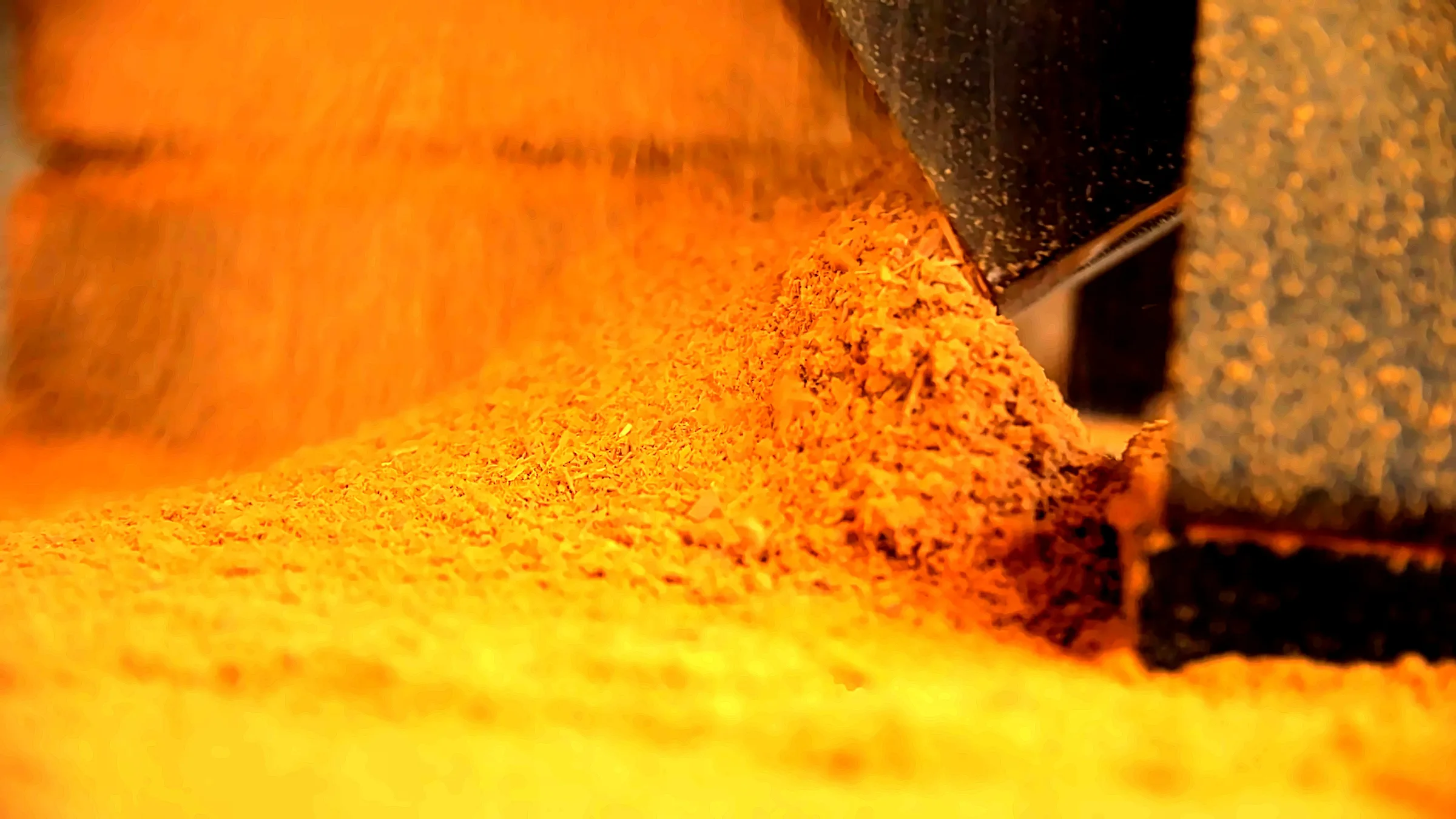
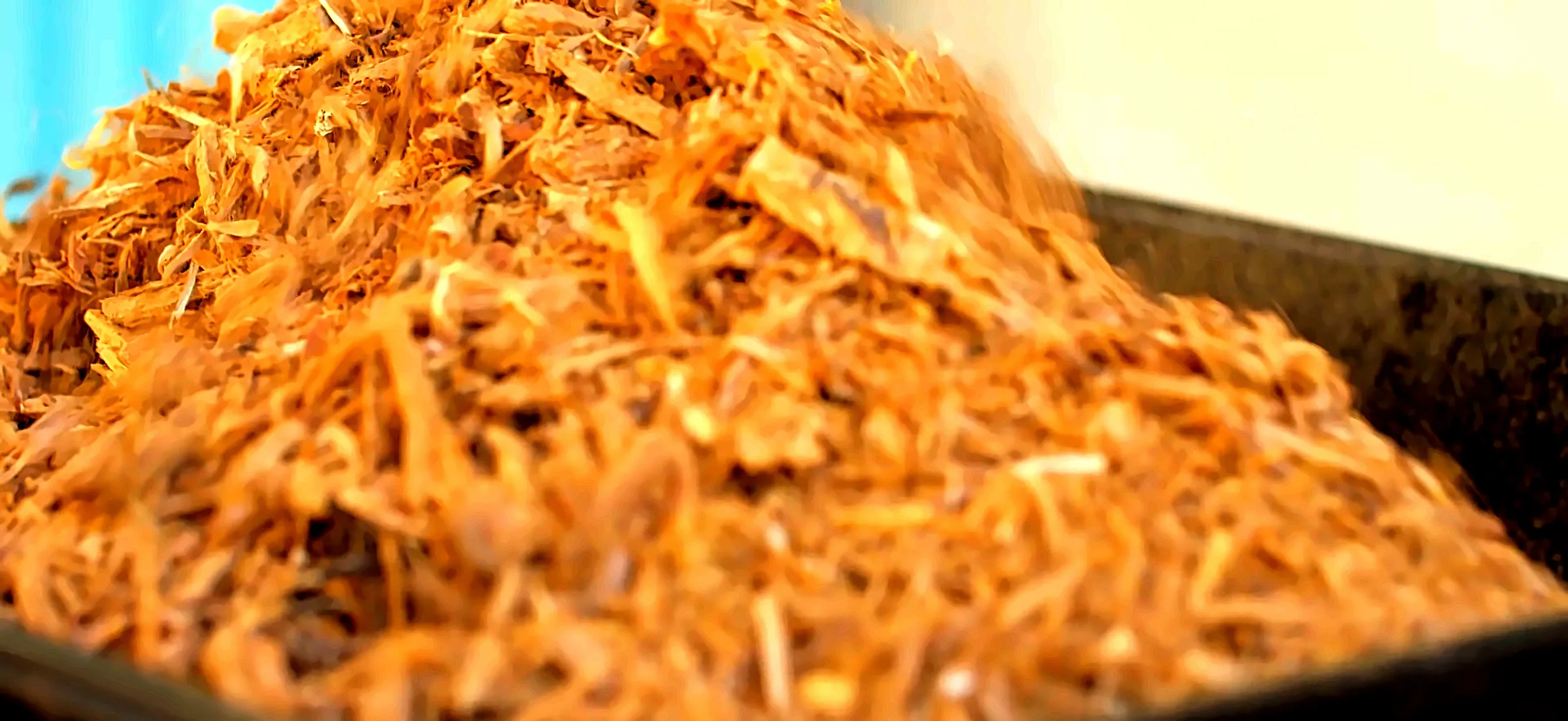
What happens at the still extends that identity: the heartwood, reduced to chips, slowly releases its heavy molecules. Extraction time and wood selection weigh as much as the species' genetics on the final profile.
Where sandalwood finds its place: perfumery and cosmetics
If sandalwood has crossed the centuries, it is because it fills a role no synthetic molecule has quite replaced. A base note and a fixative, it extends a composition's hold and binds more volatile materials together. Its woody softness serves as a foundation for the great olfactory families, slipping as easily into a woody accord as beneath a white flower or into the ambered trail of an oriental.
- Fine perfumery: a woody base note and fixative, supporting a flower, a leather or an ambered accord.
- Scented cosmetics and skincare: a base material for soaps, creams and body oils.
- Contemporary masculine and woody accords: the dry, mineral backbone of a trail.
- Niche compositions: a traceable-origin signature, an increasingly sought-after selling point.
The Caledonian chemotype brings its own reading to this. Where a creamy sandalwood rounds off, the Lifou wood structures and lengthens without weighing down. Houses after a clean, almost graphic base find a material that goes the distance without ever saturating the accord. Dosage is then a matter of restraint: the sandalwood's persistence does the rest, and our origin comparison helps in choosing the right profile for the intended effect.
What the Lifou terroir imprints on the oil
A sandalwood is never quite the same from one island to the next. The soil, the climate and the slowness of growth shape the share of santalols that the heartwood will eventually concentrate. On Lifou, the tree grows without haste: according to the industry figures gathered by Takone, it reaches maturity only around thirty years in the wild, fifteen to twenty-five years in plantation, and its aromatic richness is at its best between forty and fifty years. This long span is no yield defect; it is the very condition of the profile one will find in the bottle.
Access to the resource follows Kanak customary stewardship, in which the land and the tree belong to an order that precedes commercial use. Cutting takes place under quotas set by the Loyalty Islands Province, with the obligation to replant three trees for every one felled, according to the FSC standard. Held over time, this rule ensures that tomorrow's oil will be born of the same terroir as yesterday's. We describe this rooting on our sustainability page, without turning it into folklore: it is first of all a concrete way of securing the resource for decades to come.
A fine-perfumery ingredient, traced and certified
A material's credibility now rests as much on its scent as on its traceability. Liflor has worked with LMR Naturals by IFF since 2017, with a planting programme running since 2020, led by a 100% Kanak company based in Xépénéhé (the Drehu spelling of Chépénéhé), according to IFF. The house is For Life certified, a responsible-sourcing standard run by ECOCERT. That documented compliance answers the demands of luxury procurement teams, whose requirements have tightened.
The market context reinforces that position. Grand View Research values the global sandalwood oil market at 174.4 million US dollars in 2024, with a projection of 261.7 million by 2030, an annual growth of about 7%. In a tight market, an endemic, legal and traceable origin is a serious card. For a sample or a specification sheet, reach our team through the quote page.
Frequently asked questions
What is santalol?
Santalol is the main odour molecule of sandalwood: it carries the woody note and gives the oil its tenacity. It occurs in two major forms, α-santalol and β-santalol. Its proportion varies with the species and the terroir.
What is the olfactory profile of Lifou sandalwood?
Lifou sandalwood is described as a dry, ambered and faintly milky wood, with a mineral facet. It is drier and more austere than Mysore sandalwood, which makes it a clean base note for contemporary woody compositions.
How does New Caledonia sandalwood differ from Mysore sandalwood?
Santalum austrocaledonicum is a species endemic to New Caledonia, distinct from the Indian Santalum album. Its total santalol content is lower (about 51 to 65% against close to 90% for the Indian, per ISO 3518 figures to be confirmed), which yields a drier, less creamy profile.
What is sandalwood essential oil used for in perfumery?
In perfumery, sandalwood essential oil serves as a base note and a fixative: it extends a fragrance's tenacity and rounds off more volatile materials. Caledonian sandalwood fills that role with a soberer, more mineral reading.
What is santalol used for in perfumery?
Santalol fills two key roles in perfumery: it carries sandalwood's characteristic woody note and acts as a fixative, extending a composition's hold and binding more volatile materials. It appears in woody bases, ambered accords and scented cosmetics, where it lends depth and persistence.
How is the quality of a sandalwood essential oil assessed?
Assessment combines two readings: the nose, on a blotter, following the material's evolution over hours down to the dry-down, and instrumental analysis, which measures the santalol share and checks the batch against the ISO 3518 standard. An oil of character is recognised as much by its tenacity as by its composition.
New Caledonia sandalwood is not a substitute: it is a distinct voice within the sandalwood family, born of a precise terroir and a long span of time. What remains is to judge the material in hand, sample in front of you, before writing it into a formula.
Sourcing Caledonian sandalwood for a project? Talk to the distillery.
Request a quote